Kajabi vs Passion.io: The Ultimate App Builder Showdown for Course Creators
Kajabi is usually the stronger choice if you want an all-in-one course business platform with built-in marketing and business analytics, while Passion.io is the better pick if your priority is a fully branded mobile app (iOS/Android) experience. Kajabi pricing starts around $143/month with no transaction fees, whereas Passion.io starts around $99/month and commonly adds transaction fees on lower-tier plans. Both support online courses, a community feature, and multiple monetization models, but they diverge on how web-first vs app-first the experience is.
- 📊 All-in-One vs Mobile-First: Kajabi is a web-first all-in-one platform with strong marketing and analytics, while Passion.io is built around a branded native app experience.
- 💰 Pricing and Fees: Kajabi starts at $143/month with no transaction fees; Passion.io starts around $99/month but may add transaction fees on lower tiers.
- 📱 Native App vs PWA Options: Passion.io is ideal for iOS/Android native apps; Kajabi offers a ready-made mobile experience and can support PWA-style access depending on setup.
- 🔔 Hidden Costs & Push Notifications: In-app subscriptions can trigger Apple/Google App Store cuts (15–30%), but native apps can benefit from push notifications for higher engagement.
- 🛠️ Best Fit: Choose Kajabi for marketing-led growth and fewer integrations; choose Passion.io if your retention strategy depends on a white-label, branded mobile app.
Kajabi vs Passion.io: Overall Platform Comparison
Kajabi is a premium all-in-one solution built for selling and marketing courses end-to-end, while Passion.io is a mobile-first platform designed to create a branded native app experience for learning and engagement.
At a high level, Kajabi and Passion.io are both premium platforms aimed at creators who want to package content, charge for access, and keep learners engaged with community tools. Where they split is in the core center of gravity: Kajabi is traditionally strongest as a web-based business system (site, checkout, email/marketing, analytics), while Passion.io is oriented around a native app experience that makes your content feel like a dedicated product.
Both platforms also position themselves as complete business options rather than lightweight course plugins. You’ll find documentation, onboarding resources, and support channels to help you build—plus the ability to monetize in multiple ways (subscriptions, one-time payments, bundles), depending on your plan and configuration.
If you’re comparing alternatives, it helps to frame it like this: Kajabi is the marketing + course engine hub, while Passion.io is the branded app + interactive delivery hub. That framing makes the trade-offs clearer in the sections below.
| Category | Kajabi | Passion.io |
|---|---|---|
| Primary focus | All-in-one course business (web-first) | Mobile-first course app + branded experience |
| Mobile experience | Ready-made app experience (typically not branded by default) | Branded iOS/Android native apps |
| Marketing depth | Stronger built-in marketing toolkit | More limited native marketing; often relies on integrations |
| Starting price | $143/month | $99/month |
| Transaction fees | No transaction fees | Often on lower-tier plans |
Course Creation & Delivery Differences
Both let you build and sell courses with community components, but Kajabi is typically stronger for traditional LMS-style delivery (like drip scheduling) while Passion.io emphasizes mobile-optimized, interactive course consumption inside an app.
Course creation is where many creators assume the two tools are identical—until they start building. Kajabi tends to feel like a full-course business backend, combining content organization with marketing flows and web pages. Passion.io, by contrast, aims to make the course itself feel like a product someone opens daily on their phone.
Both platforms support creating and managing online communities to increase user engagement. However, the way learners experience that community feature can differ based on whether they’re mostly accessing content via web (Kajabi’s traditional strength) or via an app-first journey (Passion.io’s core positioning).
Next, let’s break down the course engine specifics and how content formats play out in real usage.
Which platform offers better course engine and content creation tools?
Kajabi offers a robust course engine with multiple content types and common LMS controls (including drip-style release), while Passion.io’s content creation is optimized for building a course app experience with mobile-friendly delivery and interactive elements.
Kajabi’s course engine is designed for creators who want a structured curriculum plus the operational tools to sell it—think modules, lessons, and assets combined with a broader business suite. It also supports traditional learning management patterns such as scheduling/drip content, which is useful for cohort pacing or staged programs.
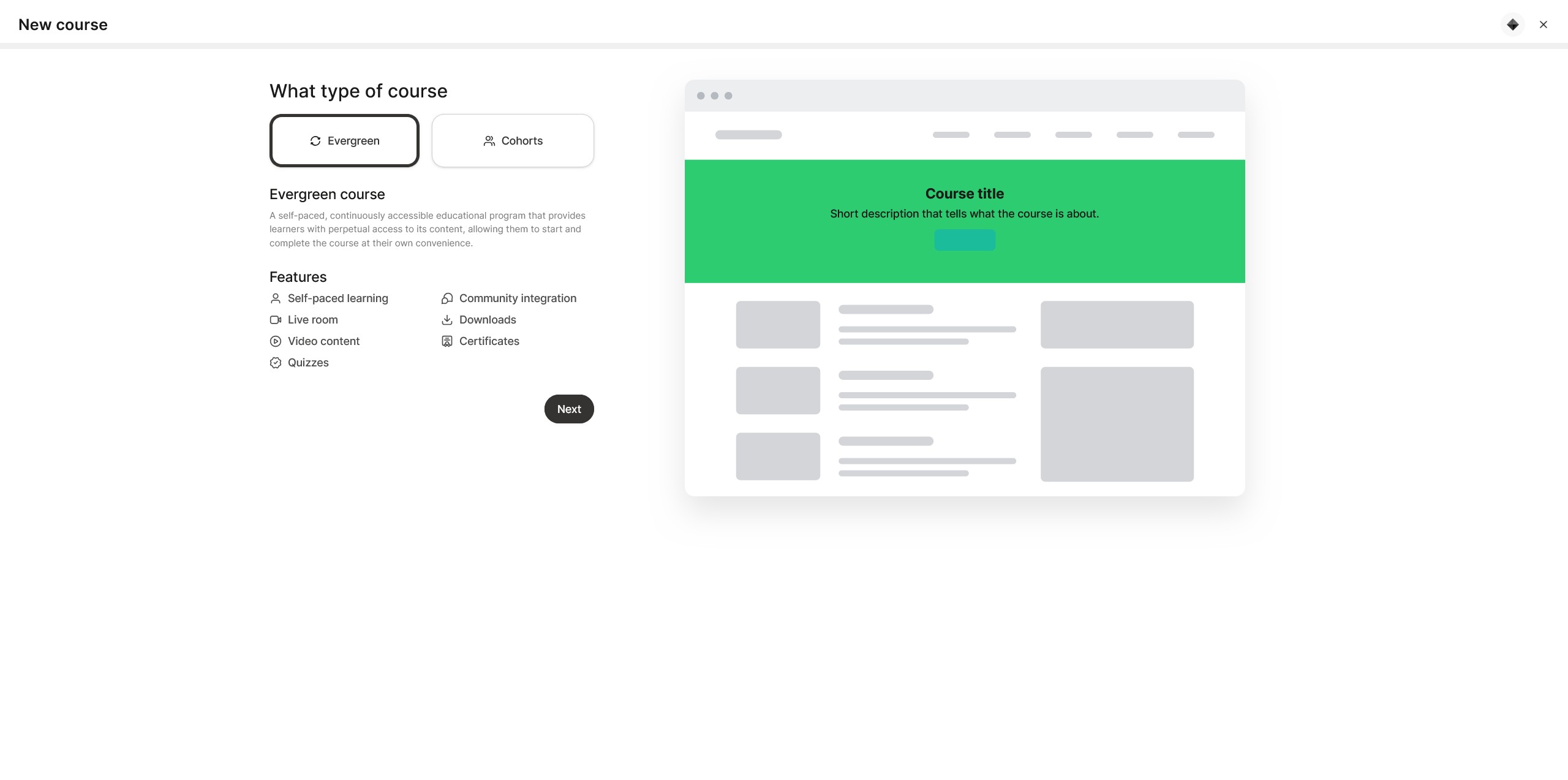
Passion.io’s course engine focuses on mobile consumption and engagement. Many creators choose it because building inside an app encourages repeat usage, makes content feel more premium, and can reduce friction for learners who prefer their phone over a browser.
When evaluating better, the practical question is: do you need the course engine to be a content management system plus a marketing machine (Kajabi), or do you need it to be an app-centric experience that keeps people coming back (Passion.io)?
How do Kajabi and Passion.io handle interactive content and asynchronous courses?
Both platforms support asynchronous courses (learners progress at their own pace) and include interactive elements to improve user engagement, but Passion.io is designed to make those interactions feel native inside a mobile app.
Asynchronous delivery is table stakes for modern creators, and both Kajabi and Passion.io handle it well: learners can log in, pick up where they left off, and complete content on their schedule. The difference is less about whether asynchronous learning exists and more about how sticky the experience feels.
Kajabi’s experience is typically strong for structured programs delivered through a web portal, often paired with email prompts and marketing automations. Passion.io leans into mobile behaviors—short sessions, frequent check-ins, and interactive moments designed for on-the-go learning.
Mobile App Features & White-Labeling
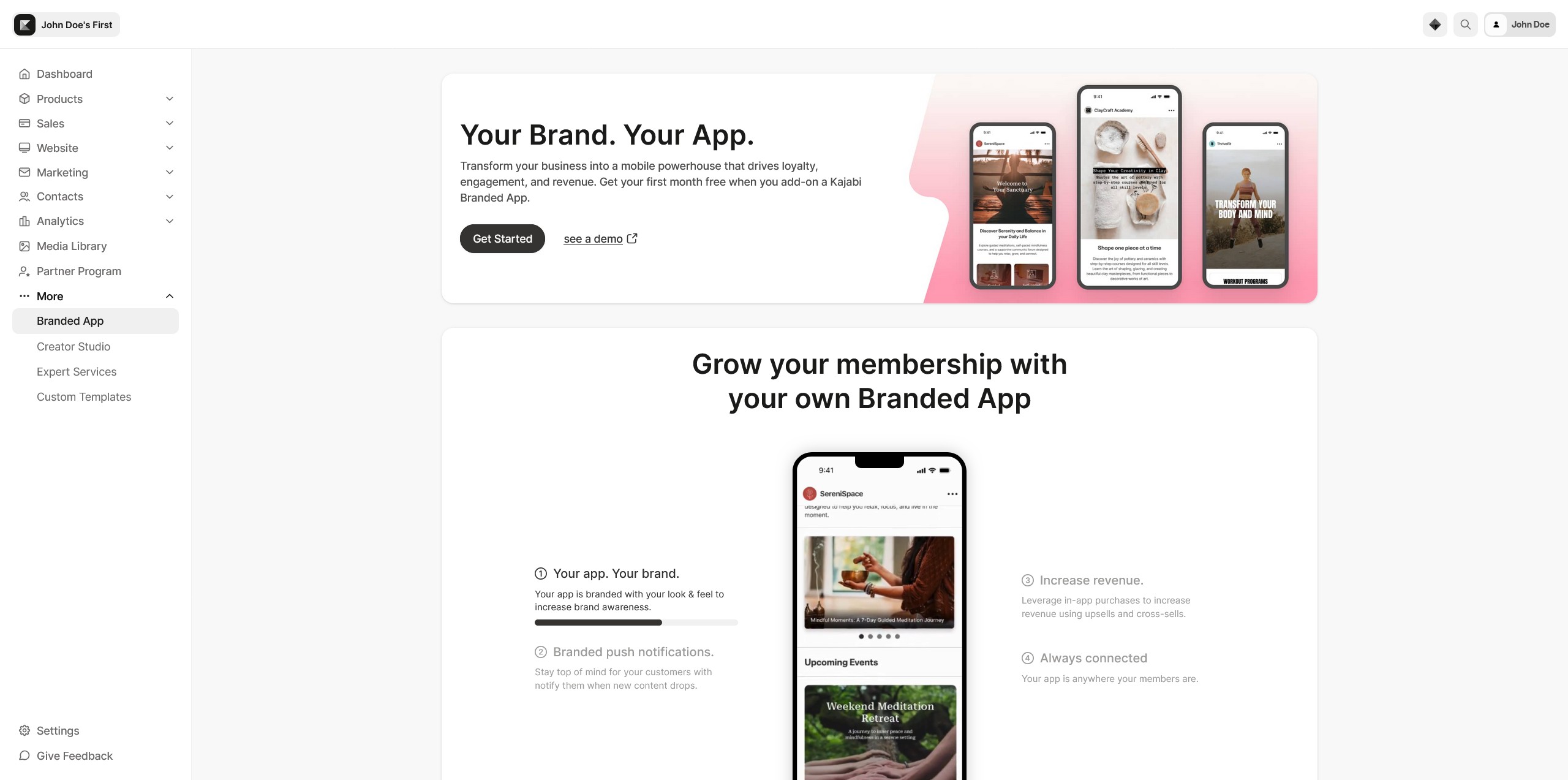
Passion.io is the stronger option for fully branded iOS/Android native apps, while Kajabi provides a ready-made mobile app experience and can also support mobile access via app/PWA-style pathways depending on setup.
Mobile matters because it changes completion rates, community participation, and renewals—especially for subscription programs. In this Kajabi vs Passion.io comparison, Passion.io’s identity is tightly tied to the native app concept: your learners download an app that looks like your brand.
Kajabi, meanwhile, has historically offered a ready-made mobile app experience that’s simpler to activate but less focused on full branding out of the box. For some businesses, that trade-off is fine: you get solid mobile access without managing the complexity of a fully custom app presence.
It’s also worth understanding the role of a progressive web app (PWA): PWAs can deliver app-like behavior from a browser and are often faster to deploy than true native apps. Depending on your use case, a PWA-style experience may be good enough, especially if your audience doesn’t demand an App Store download.
Can you get custom branded apps and white-label options with Kajabi or Passion.io?
Yes—both platforms can support custom branded apps and white-label style experiences, but Passion.io is purpose-built around creator-branded native apps for iOS and Android.
If brand visibility is part of your monetization strategy—especially for premium subscriptions—custom branding is not a nice-to-have. Passion.io is widely chosen specifically because it allows you to deliver your courses inside a branded educational app that looks and feels like a standalone product.
Kajabi has also moved toward app-related options (including app services and branded app capabilities in certain offerings), but the typical buying reason remains the broader all-in-one business tooling rather than app-building as the core feature.
Analytics, Reporting, and Customer Support
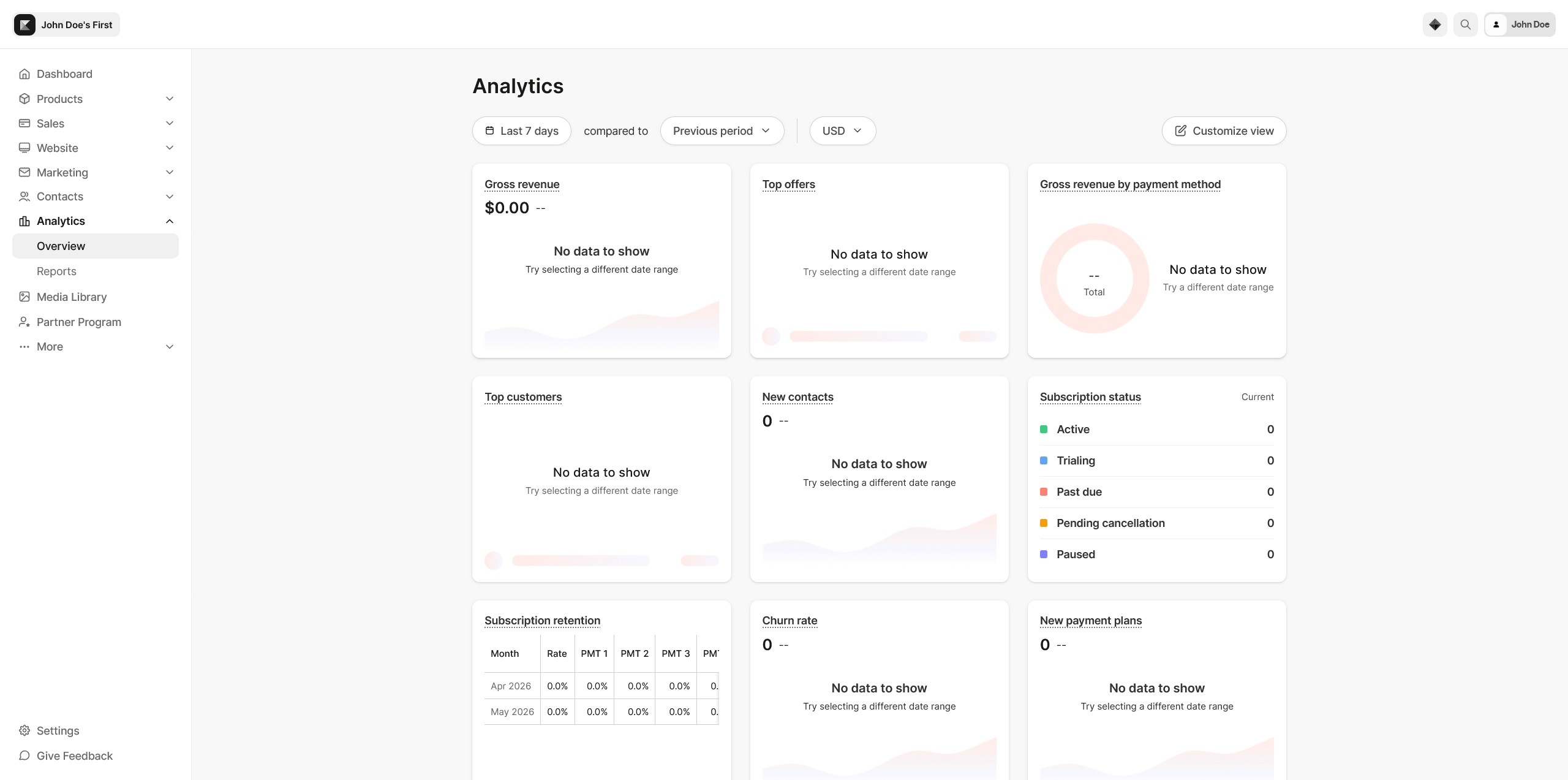
Kajabi’s analytics skew more toward business dashboards (revenue and performance) alongside student progress, while Passion.io focuses more on individual learner engagement and performance; support is strong on both, but availability can vary by channel and plan.
Analytics determine what you improve: onboarding, lesson order, community prompts, and renewal offers. Kajabi is often preferred by creators who want a comprehensive analytics dashboard that blends learning signals with business metrics in one place.
Passion.io analytics are commonly framed around learner engagement and performance inside the app experience—useful if your product is built around daily use patterns and interactive content. That distinction matters: Kajabi answers “how is my business performing?” while Passion.io more directly answers “how are learners engaging inside the app?”
Support and documentation are also a deciding factor for premium platforms. Both provide robust resources to help creators implement and troubleshoot, and both are known for responsive support options—just verify the exact hours and channels for your plan before committing.
Which platform excels in tracking customer progress and providing analytics tools?
Both platforms track customer progress and course completion, but Kajabi tends to be stronger for business-wide reporting while Passion.io is more focused on student-level engagement metrics inside a mobile app.
Tracking customer progress is essential for reducing churn and improving outcomes. Both Kajabi and Passion.io let you monitor course completion and user engagement signals so you can spot where learners drop off and iterate the curriculum.
The difference is the zoom level. Kajabi’s reporting is typically used by operators who want to connect learning activity to sales performance and offer strategy. Passion.io’s reporting is often used by app-first creators who want to optimize engagement loops—what people watch, where they stop, and how frequently they return.
| Analytics need | Best fit | Why |
|---|---|---|
| Revenue + funnel + offer performance | Kajabi | More business-oriented dashboarding for operators |
| Student engagement inside a course app | Passion.io | More app-centric engagement and learner performance emphasis |
| Completion tracking and engagement monitoring | Both | Each supports progress tracking and course completion metrics |
What are the pros and cons of using Kajabi versus Passion.io?
Kajabi’s biggest advantages are built-in marketing and business analytics with no transaction fees, while Passion.io’s biggest advantage is delivering a branded native app experience; the trade-offs are price (Kajabi) and marketing depth/fees on lower tiers (Passion.io).
Choosing between these competitors isn’t about which is better, but which is better for your offer design. If your business wins on funnels, email, and multi-product catalogs, Kajabi’s strengths compound quickly. If your business wins on a high-retention, app-first subscription with community baked in, Passion.io can feel like the more differentiated product.
Here’s a practical snapshot of pros and cons that map to real creator workflows.
- Kajabi pros: all-in-one solution for selling (site + checkout + marketing features), strong analytics, diverse monetization models, typically no transaction fees.
- Kajabi cons: higher starting price (often $143/month), mobile app branding may be less central depending on plan/setup.
- Passion.io pros: mobile-first platform, branded iOS/Android native app experience, strong for interactive content and app-driven engagement.
- Passion.io cons: more limited native marketing toolkit (often needs external tools), transaction fees can apply on lower-tier plans, which can change unit economics.
A crucial hidden factor: App Store Fees vs. Web Checkout. Because Kajabi processes payments via web (Stripe/PayPal), you keep 100% of your revenue minus standard credit card processing fees. With Passion.io, if you sell subscriptions directly inside your native iOS or Android app, Apple and Google take a 15% to 30% cut of your revenue. However, Passion.io offsets this by offering push notifications, which boast significantly higher open rates than Kajabi's standard email marketing, often leading to higher lifetime customer value.
How can you choose the right platform for your goals?
Pick Kajabi if you need an all-in-one, marketing-led course business platform; pick Passion.io if your growth and retention strategy depends on a branded mobile app with interactive engagement.
The simplest way to decide is to start from your business model and your audience’s preferred learning environment. Kajabi is often the cleanest choice when you want to launch quickly with fewer integrations and run your entire funnel in one place. Passion.io is often the cleanest choice when your container (the app) is part of the value proposition and you want the product to live on your customers’ home screens.
Budget and monetization mechanics also matter. Kajabi’s higher base cost can be offset if you’d otherwise pay for separate marketing tools—while Passion.io’s lower starting price can be impacted by transaction fees depending on your plan and volume.
Before committing, use trials (both platforms offer ways to explore) and test the actual learner experience: onboarding, lesson playback, community interaction, and checkout flow.
Should you prioritize an all-in-one solution or customization with Kajabi or Passion.io?
Prioritize an all-in-one solution (Kajabi) when marketing complexity and operational simplicity matter most; prioritize customization and branded app delivery (Passion.io) when the mobile experience is your differentiator.
All-in-one vs customization is really about where you want your complexity to live. Kajabi reduces complexity by bundling core business tools into one platform, which can improve speed and reduce integration headaches. Passion.io shifts complexity toward building an app-first experience that can feel more premium and differentiated—especially for subscription programs where user engagement is the business.
If you’re still torn, use this rule of thumb: if your roadmap includes heavy campaign marketing and multiple offers, start with Kajabi; if your roadmap includes “our members live in the app,” start with Passion.io.
Frequently Asked Questions
Is Passion.io legit?
Yes—Passion.io is a legitimate platform used by creators to publish branded iOS/Android apps for courses and communities. Before subscribing, confirm what’s included in your specific plan (especially app publishing, branding level, and any transaction fees) so the costs match your business model.
How much is Passion.io per month?
In this comparison, Passion.io starts around $99/month, but the real monthly cost can rise depending on plan level, add-ons, and whether transaction fees apply. Check the current pricing page and ask support to clarify fees for your expected payment volume and monetization setup.
Does Kajabi or Passion.io offer better marketing tools?
Kajabi is typically stronger for built-in marketing because it’s designed as an all-in-one system for selling, email, and funnels. Passion.io often relies more on integrations for advanced marketing, so plan for extra tools if your growth depends on complex campaigns.
Kajabi vs Passion.io: Which one is easier for beginners to use?
Kajabi can feel simpler for beginners who want one dashboard for website, checkout, and marketing without stitching tools together. Passion.io is often easier if your main goal is launching a mobile-first experience, but you may need more setup work for marketing integrations.
Can you create unlimited courses on Passion.io and Kajabi?
Course limits can vary by plan on both platforms, so unlimited isn’t guaranteed across tiers. If you expect a large catalog, verify the exact product/course caps (and any limits on members or admins) before choosing a plan.
Free Quiz: What's holding back your business growth?
Take this short quiz and discover your #1 growth blocker - so you know exactly where to focus next: