Kajabi vs ClickFunnels: Which Platform Fits Courses, Funnels, and Online Sales Best?
When trying to decide between Kajabi and ClickFunnels, choose Kajabi if you need an all-in-one platform to build, deliver, and market digital products (especially courses and communities), and choose ClickFunnels if your top priority is building and optimizing high-converting sales funnels. Kajabi is stronger in course delivery (drip content, assessments, automation rules, student tracking) and has iOS/Android apps, while ClickFunnels is stronger in funnel workflows, A/B testing, and conversion-focused templates. Pricing commonly starts around $143/month (Kajabi) or $97/month (ClickFunnels), with plan limits and potential payment-related fees affecting total cost.
- 🎯 Platform Focus: Choose Kajabi for all-in-one course delivery and community engagement, and ClickFunnels for advanced sales funnel optimization and conversion tracking.
- 🧱 ClickFunnels 2.0 Courses: ClickFunnels 2.0 added a native course builder and membership areas, but Kajabi still leads on deeper education features like analytics and assessments.
- 📱 Mobile Experience: Kajabi offers dedicated iOS and Android apps, while ClickFunnels lacks a mobile app—important if your audience learns on the go.
- 💰 Pricing & Fees: Kajabi commonly starts at $143/month and is positioned as having no platform transaction fees; ClickFunnels commonly starts at $97/month with costs varying by payment setup.
- 🤝 Community Tools: Kajabi includes built-in community features; ClickFunnels typically requires third-party tools for community functionality.
What are the main differences between Kajabi and ClickFunnels?
Kajabi is built to run a digital-products business end-to-end (site, courses, memberships, community, email), while ClickFunnels is purpose-built for creating and optimizing sales funnels with advanced conversion tooling like A/B testing and funnel-level analytics.
The fastest way to understand the difference between Kajabi and ClickFunnels is to look at what each platform treats as core. Kajabi’s core is content delivery—courses, coaching, newsletters, communities, and other creator-led products—wrapped in a single system that also includes website pages and marketing tools.
ClickFunnels, by contrast, is engineered for funnel performance: moving a lead through steps (opt-in → sales page → checkout → upsell/downsell) with tight control over conversion paths. If your business lives or dies by funnel experimentation and optimization, that focus matters.
| Category | Kajabi | ClickFunnels |
|---|---|---|
| Primary strength | Course & digital product delivery + community + email | High-converting funnel building + optimization |
| Best for | Educators, coaches, creators selling learning-based products | Marketers, agencies, sellers prioritizing funnel performance |
| Mobile experience | Dedicated iOS/Android apps | No dedicated mobile app |
| Testing/optimization | More limited funnel optimization depth | Strong A/B testing and conversion tracking |
How does Kajabi function as an all-in-one platform?
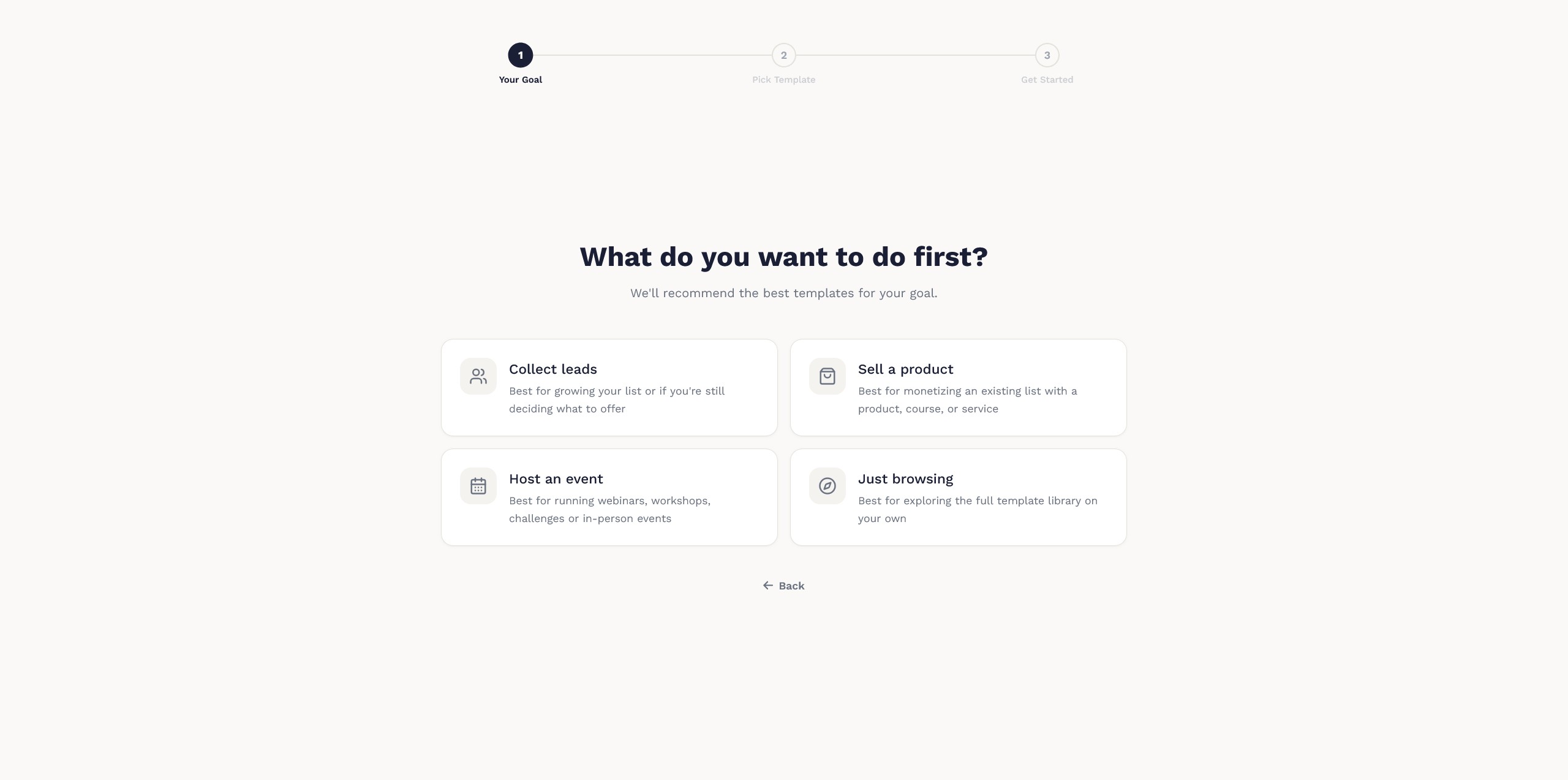
Kajabi functions as an all-in-one platform by combining a website builder, course and membership delivery, email marketing, and community features under one login. That’s why it’s often chosen when you want fewer third-party tools and a smoother learner experience.
In practical terms, Kajabi lets you build a branded site, publish digital products, and manage audiences without stitching together separate systems for hosting, email, and member access.
Why is ClickFunnels focused on sales funnels?
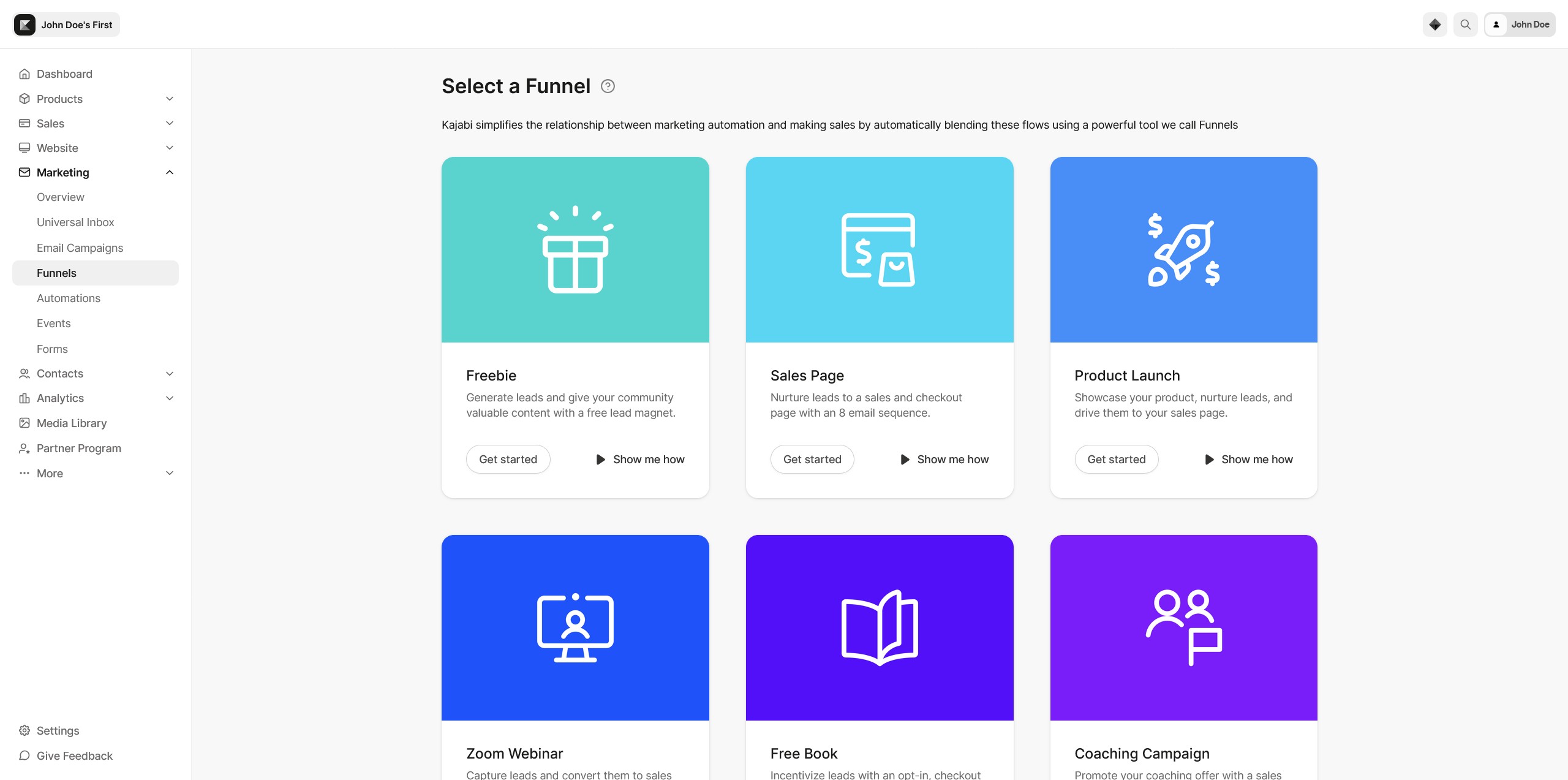
ClickFunnels is focused on sales funnels because it’s designed to guide visitors through a step-by-step conversion journey and help you improve each step with performance tools. That emphasis makes it a strong fit for businesses running ads, promotions, and aggressive revenue optimization.
Instead of starting from “How do I deliver a course?”, ClickFunnels starts from “How do I maximize conversions?” with funnel templates, upsell/downsell flows, and funnel-level analytics built around that goal.
What sets Kajabi and ClickFunnels apart?
The core split is education delivery vs sales conversion: Kajabi is purpose-built for courses and community-led experiences, while ClickFunnels is built for marketing funnels and typically relies on external tools for community and deeper learning features.
Even when both platforms can technically sell digital products, their defaults push you toward different outcomes. Kajabi’s structure encourages content consumption and retention (progress, engagement, community), while ClickFunnels encourages faster purchase decisions (optimized page sequences and checkout flows).
This difference becomes most obvious once you move beyond a single product sale and start managing students, cohorts, engagement, and ongoing subscriptions.
How do their course creation capabilities differ?
Kajabi offers advanced course creation tools—like drip content, assessments, automation rules, and student tracking—aimed at improving completion and learner outcomes. ClickFunnels can support basic membership-style access, but it isn’t natively designed for robust course experiences.
It is worth noting that ClickFunnels 2.0 introduced a dedicated course builder, allowing users to host video lessons and create membership areas natively. However, while ClickFunnels 2.0 bridges the gap, Kajabi still maintains a significant edge in advanced educational features like student analytics, graded assessments, and native video hosting limits.
If your product is primarily educational, Kajabi’s delivery features reduce the need for additional learning-management tools.
What marketing features do they offer for funnel building?
Kajabi includes a full marketing suite (landing pages, email marketing, and automations) that works well for creators selling courses and memberships. ClickFunnels goes deeper on funnel construction with upsells/downsells, conversion tracking, A/B testing, and more advanced workflow logic.
In a Kajabi vs ClickFunnels comparison, the key question is whether you need good integrated marketing (Kajabi) or maximum funnel control (ClickFunnels).
How do their community and engagement tools compare?
Kajabi includes built-in community tools designed to keep customers active between purchases and improve retention. ClickFunnels does not include native community functionality, so community experiences typically require third-party platforms and integrations.
That can be fine if your community is optional—but it’s a real limitation if community is part of the product promise.
How do Kajabi and ClickFunnels features stack up?
Kajabi leads on course management, built-in email, and community experience (plus mobile apps), while ClickFunnels leads on funnel building depth, split testing, and conversion-centric templates and analytics.
Both platforms can support online business growth, but they do it differently. Kajabi reduces tool sprawl for creators by bundling delivery + marketing, while ClickFunnels prioritizes the mechanics of selling—especially if you iterate funnels frequently.
The sections below break down the feature areas that most often decide the purchase.
What is the mobile app experience like for each?
Kajabi offers dedicated mobile apps for iOS and Android, which supports on-the-go course access and community engagement. ClickFunnels does not offer a dedicated mobile app, which can limit the experience for audiences who primarily consume content on mobile.
If your customers learn during commutes or rely on push-friendly mobile access, Kajabi’s app ecosystem is a meaningful advantage.
How do their checkout and payment features compare?
Kajabi provides integrated checkout and supports recurring revenue models, and it can present up to 10 upsells and downsells during checkout—though it’s commonly noted that it offers a single core checkout template that you customize. ClickFunnels also provides checkout capability but emphasizes multiple tested checkout templates designed to improve conversion.
As a rule: Kajabi checkout is integrated and creator-friendly, while ClickFunnels checkout is conversion-optimized and template-rich.
What options are available for affiliate marketing and upsells?
Both Kajabi and ClickFunnels support affiliate marketing and upsells, but their emphasis differs. Kajabi includes affiliate management (often associated with higher-tier plans), while ClickFunnels is especially strong at upsell/downsell sequencing within funnels and also offers a dedicated affiliate center with features like multiple commission plans and a two-tier structure.
How do their visual funnel builders and templates differ?
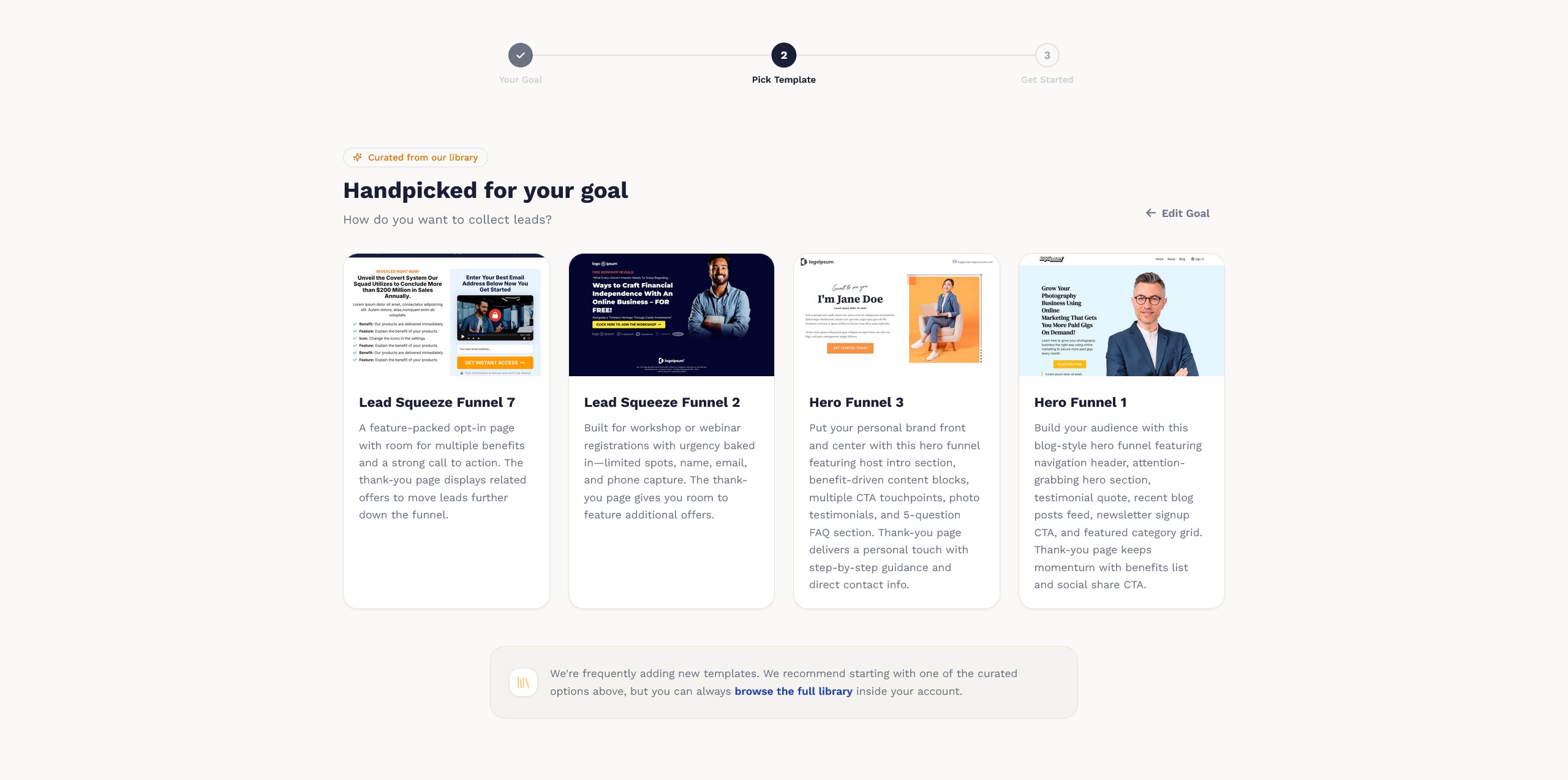
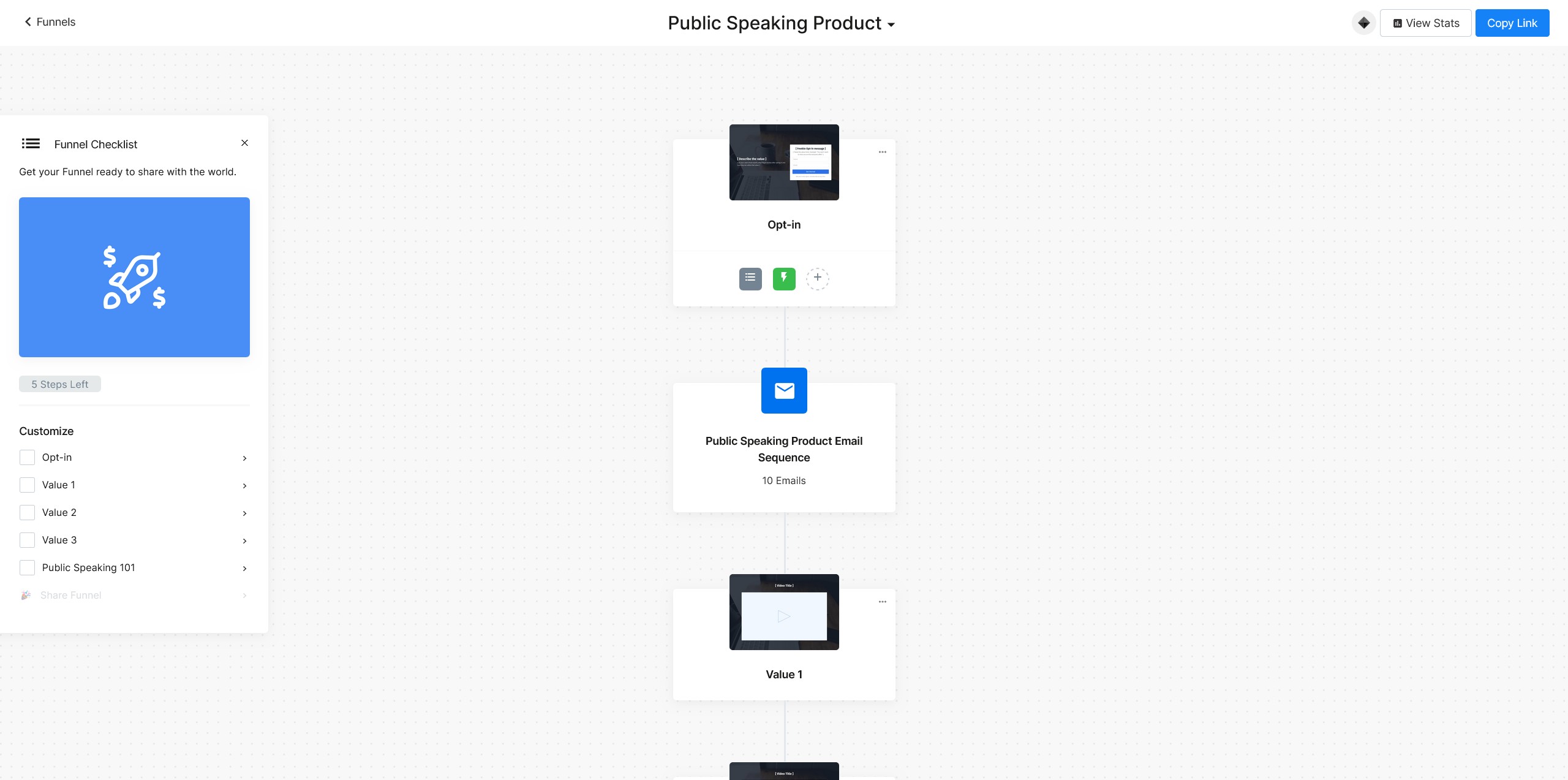
Kajabi’s visual builder and customizable templates are generally designed around creators launching offers and delivering content. ClickFunnels provides a more robust funnel builder focused on sales funnels, with templates engineered around conversion patterns and funnel steps.
If you want to run lots of variations of the same funnel, ClickFunnels typically gives you more funnel-specific building blocks.
How do Kajabi and ClickFunnels handle community building?
Kajabi includes native community tools (feeds, chat, live streaming, challenges, groups) and can monetize community access, while ClickFunnels lacks built-in community features and typically requires third-party community software.
Community is often the hidden decider in a Kajabi vs ClickFunnels choice because it impacts retention and lifetime value. If your business model relies on ongoing engagement—weekly prompts, accountability, discussion—native community tooling reduces friction.
ClickFunnels can still work if your community lives elsewhere (for example, a dedicated community platform), but that adds integration and operational overhead.
What community features does Kajabi offer?
Kajabi’s community features are designed to keep members interacting with you and each other inside the platform. Common tools include discussion-style spaces, user groups, engagement posts, and interactive formats like challenges, plus options like chat, newsfeeds, and live streaming.
Why does ClickFunnels lack built-in community tools?
ClickFunnels lacks built-in community tools because its product strategy prioritizes funnel building and sales optimization over member interaction features. As a result, it’s optimized for moving leads to conversion, not for hosting ongoing group engagement.
For many sellers, that’s a fair trade—especially when community isn’t central to the offer.
Kajabi vs ClickFunnels Pricing: How do transaction fees compare?
Kajabi and ClickFunnels both use tiered subscriptions, with commonly cited starting points around $143/month for Kajabi and $97/month for ClickFunnels (Startup); Kajabi is often positioned as having no platform transaction fees, while ClickFunnels may involve additional costs depending on payment setup and plan details.
Pricing isn’t just the sticker—it’s also what you must add to match your desired workflow. Kajabi can replace several tools (course hosting, email, community), while ClickFunnels may require add-ons for email or community depending on how you operate.
Also watch for plan limits (products, funnels, contacts, etc.) because those constraints can push you into a higher tier sooner than expected.
What are the differences in their subscription models?
Kajabi’s subscription tiers are shaped around creators delivering education-style products, while ClickFunnels’ tiers are shaped around marketing and funnel throughput. In general, ClickFunnels is often considered more budget-friendly for teams that primarily need funnel tooling, while Kajabi’s value increases when you use its delivery and community components.
| Pricing consideration | Kajabi | ClickFunnels |
|---|---|---|
| Entry-level positioning | Creator/business “all-in-one” baseline | Funnel-building baseline |
| Typical upgrade driver | Need more products, contacts, advanced features | Need more advanced funnel features, scale, and integrations |
| Value grows when you use… | Courses + community + email together | Many funnels + frequent testing/optimization |
How do their transaction fees impact users?
Transaction fees and payment-related costs affect profitability differently depending on volume and average order value. Kajabi is commonly described as having platform pricing that doesn’t add extra transaction fees on top (separate from payment processor fees), while ClickFunnels users may see additional costs depending on payment integrations and plan structure.
Before committing, map your expected revenue model (one-time vs subscription, upsell frequency, affiliate payouts) and then calculate the all-in monthly cost, not just the base subscription.
Ease of Use: Is Kajabi or ClickFunnels better for beginners?
Kajabi is significantly easier for course creators to set up quickly due to its cohesive templates. ClickFunnels presented a steeper learning curve for our team, but rewarded that effort with much deeper funnel-building and split-testing options.
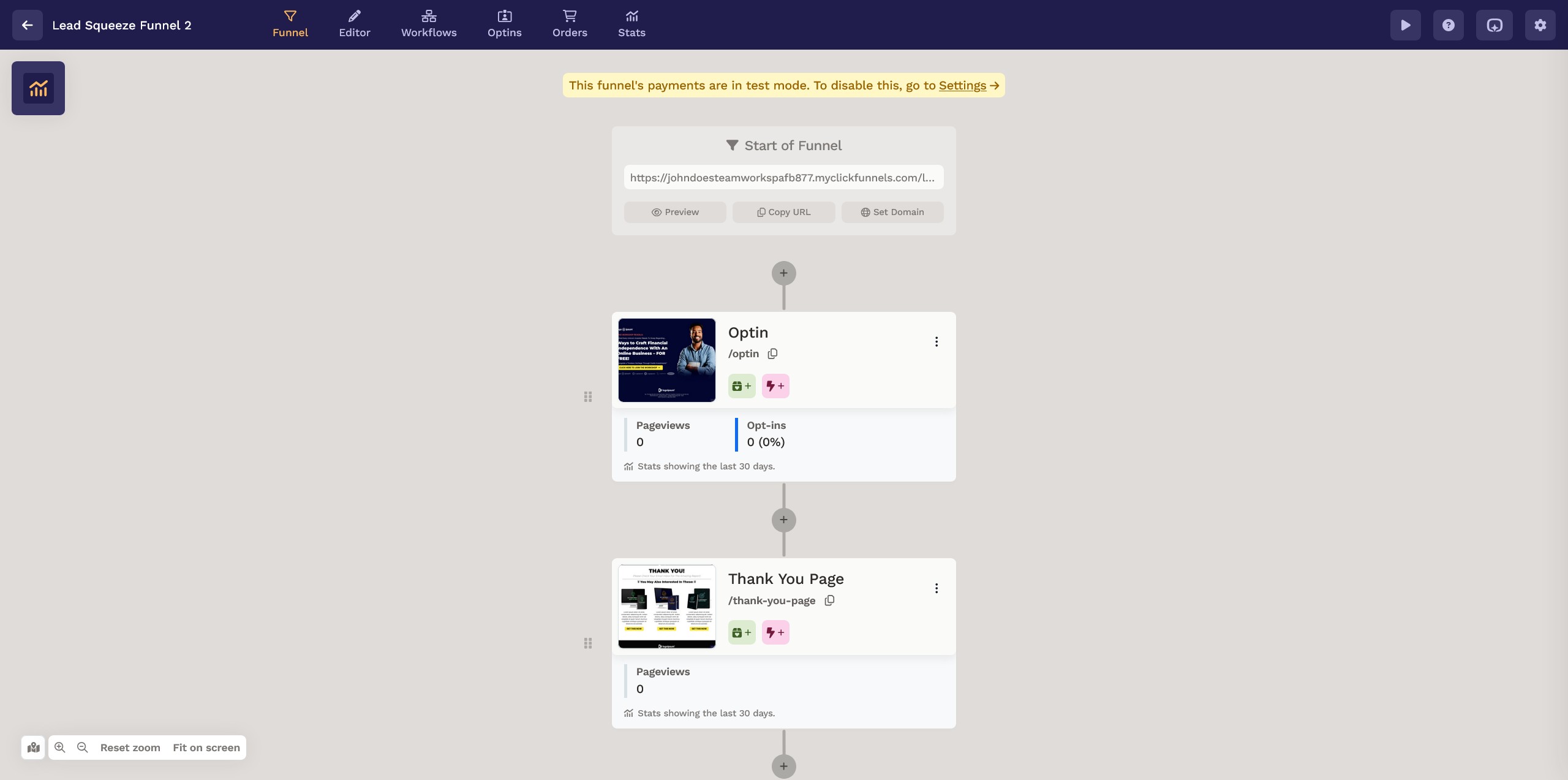
When we built a test campaign in both platforms, we found that if your workflow is “create content → enroll students → nurture with email,” Kajabi keeps those steps in one highly intuitive interface. However, when we attempted to build conditional upsell paths, ClickFunnels' drag-and-drop funnel canvas was vastly superior.
If your workflow is “launch campaigns → build many funnel variants → split test aggressively,” ClickFunnels’ complexity often pays off, but you may spend more time learning the system.
What design tools and templates are available for customization?
Kajabi provides customizable templates oriented toward creators and educators—site pages, landing pages, and product experiences that match course-style offers. ClickFunnels provides templates oriented toward conversion—opt-in pages, sales pages, order forms, and upsell steps that mirror common funnel structures.
How do they integrate with third-party tools?
Both platforms integrate with Zapier, which allows connections to thousands of apps for marketing automation. ClickFunnels is often cited as having more direct integrations (25+), while Kajabi has fewer built-in integrations (around 10) but supports connectivity through Zapier and webhooks.
If your stack relies on many external tools (ads, CRMs, analytics, webinars), ClickFunnels’ wider direct-integration catalog can reduce reliance on middleware.
What marketing and conversion strategies do they support?
Kajabi supports creator-led marketing with built-in email automation and engagement tracking, while ClickFunnels emphasizes conversion strategies such as funnel optimization, upsells/downsells, detailed funnel analytics, and stronger split testing.
In a Kajabi vs ClickFunnels comparison, “marketing” means different things: Kajabi’s marketing helps you nurture an audience into a content-based offer, while ClickFunnels’ marketing helps you squeeze more revenue out of paid traffic and funnel steps.
That’s why many businesses choose based on whether their bottleneck is delivery and retention (Kajabi) or acquisition and conversion rate (ClickFunnels).
How do they handle lead generation and nurturing?
Kajabi supports lead generation and nurturing through built-in email marketing, automated sequences, and engagement via community features. ClickFunnels focuses on lead generation through funnel-driven opt-ins and step-by-step paths that introduce upsell opportunities as the prospect moves forward.
What are their capabilities for conversion tracking and split testing?
Both platforms provide conversion tracking, but ClickFunnels is generally stronger for split testing and funnel optimization, including advanced workflows and conditional split paths. Kajabi’s tracking is often more aligned with engagement metrics like subscriber growth, revenue trends, and course completion behavior.
If your strategy depends on systematic A/B testing to lift conversion rates, ClickFunnels is usually the more purpose-built environment.
How do customer support and user feedback compare?
Kajabi is frequently praised for a polished creator experience and support resources (including options like a customer success manager), while ClickFunnels offers support via help centers and community forums but user feedback often notes a steeper learning curve.
Support quality matters most when you’re launching under deadlines or migrating from another platform. Kajabi’s audience (course creators) often values guided setup and cohesive workflows, while ClickFunnels users often lean on templates, community knowledge, and iterative testing.
In both cases, the best experience depends on your team’s technical comfort and whether you prefer structured onboarding or self-service experimentation.
What support options do they provide for users?
Kajabi offers support resources that can include structured guidance and, for some users/plans, a customer success manager (CSM). ClickFunnels commonly supports users through help documentation and community forums, which can be effective but may feel less hands-on for beginners.
What does user feedback reveal about each platform?
User feedback commonly highlights Kajabi’s ease of use for building and managing courses, plus the convenience of having email and community features in one place. ClickFunnels feedback often emphasizes powerful funnel-building and optimization capabilities, paired with a learning curve due to the platform’s depth.
How do you choose the right platform for your online business?
Choose Kajabi if your business model depends on delivering education-style digital products and building ongoing engagement (courses, coaching, memberships, community), and choose ClickFunnels if your business model depends on maximizing funnel conversion with testing, templates, and sales workflows.
When deciding between these tools, start with your primary constraint: Are you trying to improve learning delivery and retention, or are you trying to improve acquisition and conversion rate? That single question usually makes the choice obvious.
From there, you can validate the decision by mapping features to your exact offer and the customer journey you want to create.
How can you align platform features with your business goals?
Aligning features to goals means choosing the platform that matches the most important job your software must do every day. If you sell transformation through learning, delivery features (drip, assessments, community, mobile access) will drive results; if you sell through campaigns and paid traffic, funnel optimization will drive results.
Why is considering user intent and focus important?
User intent determines what “success” looks like after the purchase. If your audience expects a cohesive learning environment with ongoing engagement, Kajabi’s product and community orientation fits that intent; if your audience is responding to direct-response marketing and needs a fast path to purchase, ClickFunnels aligns with that intent.
In other words, match the platform’s core design to the way your customers buy—and the way they consume what you sell.
Frequently Asked Questions
Can you use Kajabi and ClickFunnels together?
Yes—many businesses use ClickFunnels for top-of-funnel pages and split testing, then deliver the course, membership, or community inside Kajabi. The simplest setup is to connect ClickFunnels checkout/opt-in to Kajabi via integrations (or Zapier) so buyers are automatically granted access and added to the right email segment.
Is ClickFunnels still relevant?
ClickFunnels is still relevant if your growth depends on building, iterating, and optimizing funnels—especially with frequent A/B testing and upsell/downsell experimentation. It’s less compelling if you need a built-in learning experience and community without relying on extra tools.
What platform is better than Kajabi?
“Better” depends on what you’re optimizing for: if you want deeper funnel experimentation, a dedicated funnel platform can outperform Kajabi’s funnel tooling. If you want a more specialized learning-management experience, a dedicated LMS may offer more academic-style features than an all-in-one creator platform.
What's better than ClickFunnels?
If you need an all-in-one system that includes course delivery, memberships, and community under one login, a creator-focused platform can be a better fit than a funnel-first tool. If your priority is a full CRM plus multi-channel automation for clients, an agency-oriented platform may be stronger than ClickFunnels alone.
ClickFunnels vs GoHighLevel: which should you choose?
Choose ClickFunnels when your main goal is building and optimizing sales funnels quickly with conversion-focused templates and testing. Choose GoHighLevel when you need a broader client-management stack (CRM, pipelines, and agency workflows) and want to run marketing for multiple businesses from one system.
Free Quiz: What's holding back your business growth?
Take this short quiz and discover your #1 growth blocker - so you know exactly where to focus next: