Kajabi vs Skool: Comprehensive Course Business Platform or Community Building?
If you're trying to decide between Kajabi and Skool, choose Skool if your product wins on daily community engagement and simple paid memberships, and go with Kajabi if you need an all-in-one system for courses plus marketing automation and sales funnels. Skool costs $7.50/month (Hobby plan) or $82/month (Pro plan) for unlimited members and courses, while Kajabi ranges from $143 to $399/month depending on features. Neither platform has a permanent free plan, but both offer 14-day trials, so you can validate which one is the right fit before committing.
- 💰 Pricing Model: Skool is $7.50/month or $82/month for unlimited members and courses, while Kajabi ranges from $143 to $399/month depending on features.
- 🧾 Hidden Costs: Skool sales include at least a 2.9% transaction fee (Pro plan), while Kajabi charges 0% platform fees (standard Stripe/PayPal fees still apply).
- 🎥 Video Hosting: Skool includes native uploads, while Kajabi includes premium Wistia hosting with more robust video analytics.
- 👥 Community vs. Funnels: Skool is built for community building and gamification; Kajabi is built to run marketing automation and sales funnels alongside courses.
- 🚀 Best Fit: Choose Skool when engagement and subscriptions are the product, and choose Kajabi when you’re scaling with campaigns, email automation, and analytics.
Kajabi vs Skool Pricing Comparison
Skool's highest tier costs $82/month (Pro plan) for unlimited members and courses, while Kajabi scales up to $399/month as you add business features.
Pricing is where the community building vs comprehensive business angle shows up immediately. With Skool, you’re paying for a community-first experience with a straightforward subscription that doesn’t change as your membership grows.
Kajabi is priced like a full business platform: you’re not only buying course hosting, you’re also paying for built-in marketing infrastructure (email, landing pages, analytics, and funnel tooling). That can raise the total cost of ownership, but it can also replace several separate tools.
| Platform | Pricing style | Typical monthly range | Best fit for cost |
|---|---|---|---|
| Skool | Tiered plans | $7.50/month (Hobby plan) or $82/month (Pro plan) | Predictable budgeting for subscriptions and communities |
| Kajabi | Tiered plans | $143–$399/month | Paying more to consolidate marketing + course ops in one system |
| Transaction Fees | 2.9% + 30¢ per transaction | 0% (Standard Stripe/PayPal fees apply) | Kajabi is slightly better for high-volume sales |
| Video Hosting | Native uploads included | Premium Wistia hosting included natively | Kajabi offers more robust video analytics |
If your revenue model is primarily recurring subscriptions to a community, Skool’s cost is easy to justify. If your revenue model depends on funnels, launches, and lifecycle marketing, Kajabi’s higher tiers may be easier to justify than stitching together multiple integrations.
What makes Skool's plans affordable?
Skool’s affordability comes from its low-complexity setup and pricing, which reduces both software spend and time cost for small teams. You can run community management, discussions, and course delivery without needing a stack of add-ons just to get members participating.
Skool also aligns well with early-stage creators because you’re not paying more as your audience grows, so you can focus on retention and engagement before optimizing anything else.
Why does Kajabi's pricing include more features?
Kajabi’s pricing reflects that it’s built as a complete commercial platform: course hosting plus marketing tools intended for revenue optimization. Instead of relying on external email services and landing page builders, Kajabi includes those capabilities natively, along with deeper analytics.
If you’re actively building sales funnels—lead capture, nurture emails, segmentation, conversions—Kajabi’s higher cost often maps to fewer external subscriptions and fewer integration points to maintain.
Core Features: Community vs. Marketing Automation
Skool prioritizes community-centered learning with engagement mechanics like gamification, while Kajabi provides broader business functionality including advanced course tooling, automation, and marketing operations.
When comparing Skool vs Kajabi, it boils down to one question: do you want a community product that happens to include courses, or a course business platform that happens to include community?
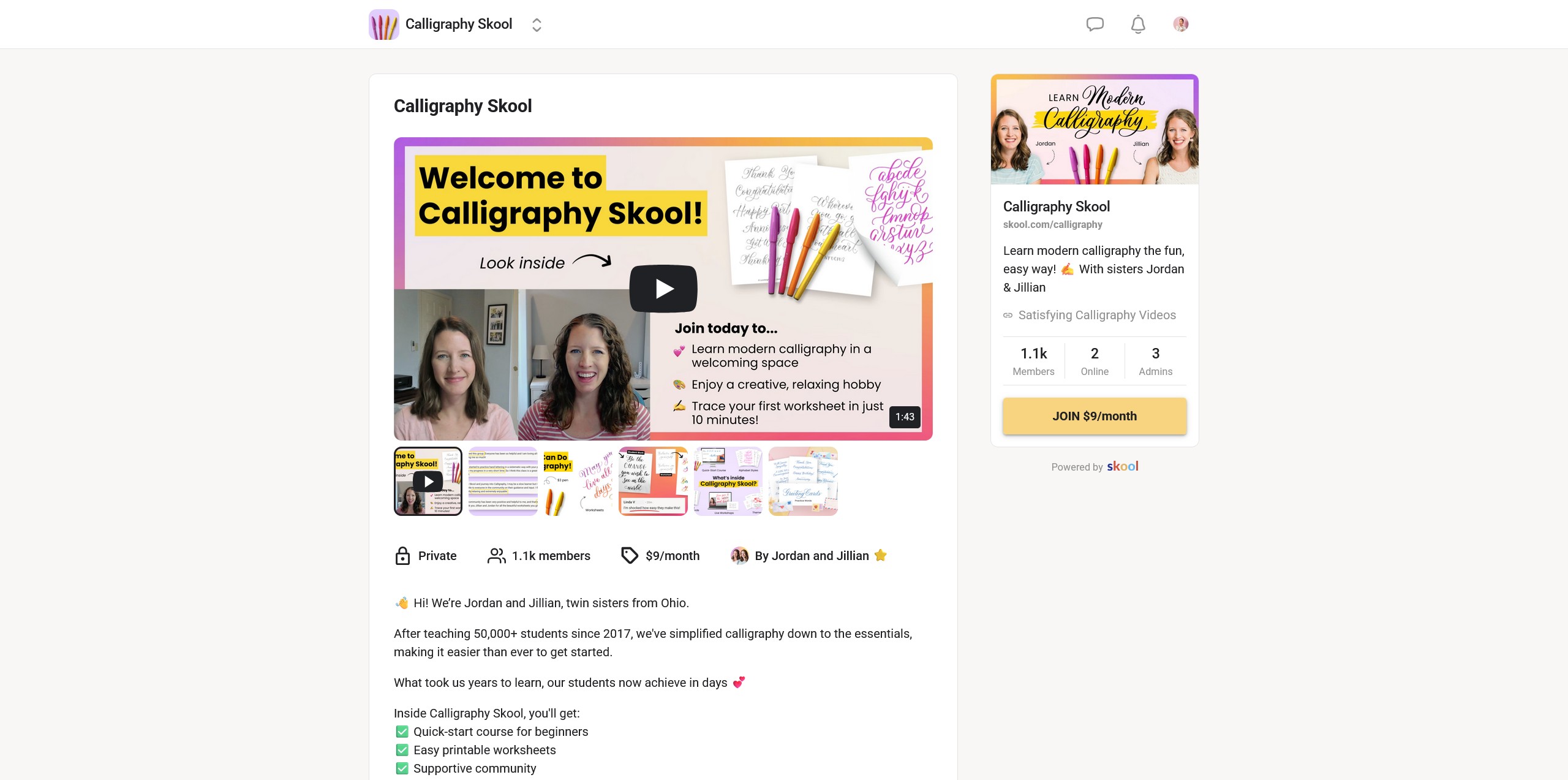
Skool is strongest when the experience is social first—members learn by participating, posting, attending live events, and staying active. It also includes native video hosting and a fully native mobile app (iOS and Android), which helps keep engagement high through notifications and on-the-go access.
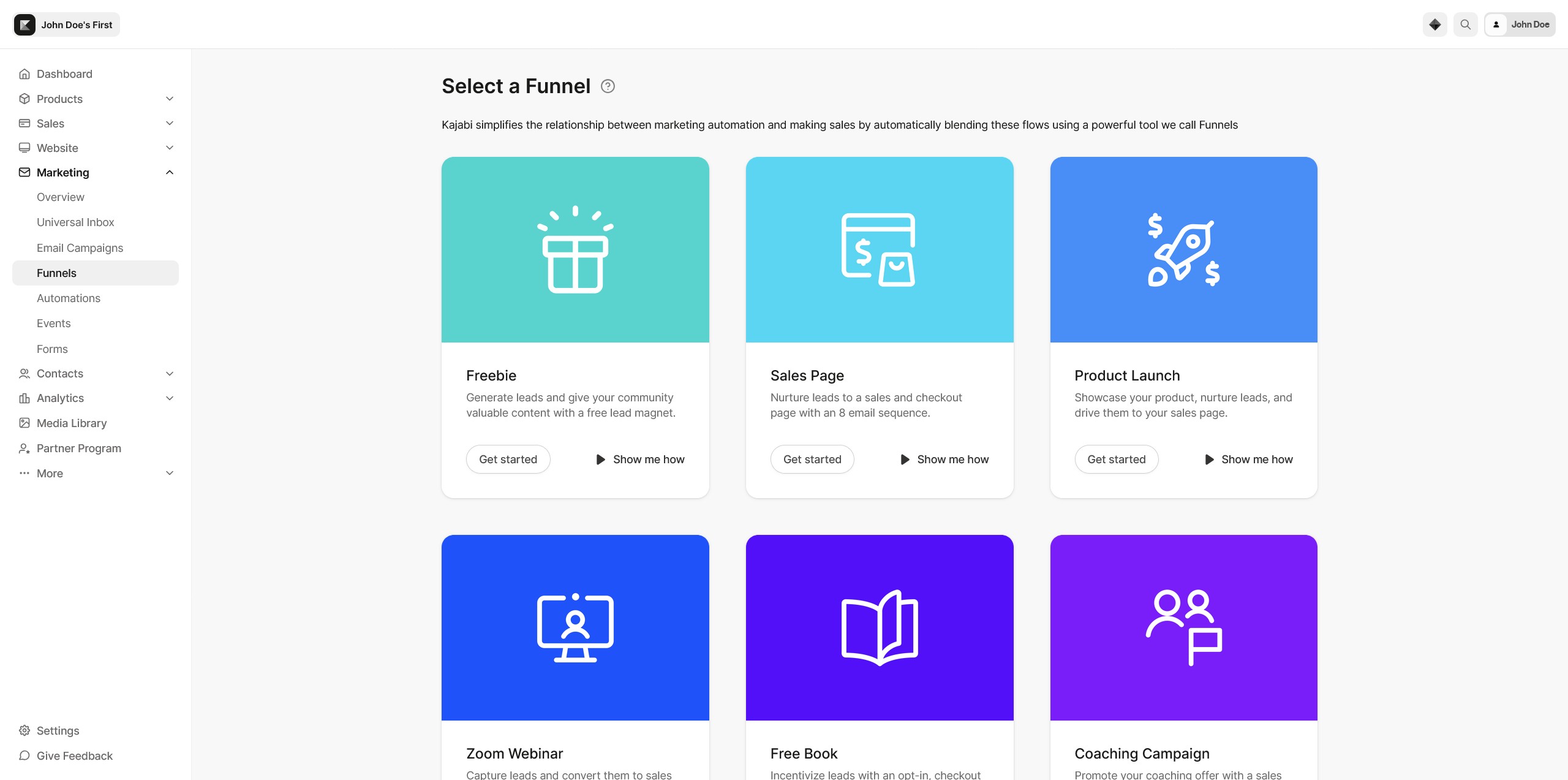
Kajabi is built for creators who want to run the whole machine in one place: website, course delivery, email marketing, landing pages, automation, and analytics—especially valuable when growth is driven by structured promotions and funnels.
How simple and easy is Skool to use?
Skool is widely seen as easier to use because it has a clean, intuitive interface designed around the community feed and member interaction. Creators and members operate in a similar environment, which reduces friction and increases the likelihood that people actually post, reply, and return.
That simplicity matters if your business depends on participation rather than just content consumption.
What advanced functionalities does Kajabi provide?
Kajabi’s advantage is breadth: it’s designed to be a marketing machine as much as a course host. You get built-in tools that support acquisition and monetization workflows without requiring multiple third-party services.
This is especially useful when your growth strategy relies on email sequences, lead magnets, webinars, and multi-step sales funnels paired with performance tracking.
User Experience and Interface Differences
Skool’s user experience is optimized for community engagement and daily participation, while Kajabi’s experience is more feature-rich and business-oriented, often creating a steeper learning curve for creators and members.
The practical UX difference became obvious when we tested both platforms side by side: Skool drops you straight into a feed-first home view where posts, comments, and notifications are the main loop, while Kajabi’s dashboard feels more like a business control center with multiple menus for products, marketing, and website settings. Skool made it easier to get a member posting within minutes; Kajabi made it easier to map out an offer with pages, emails, and automation—but it took more setup to feel community-native.
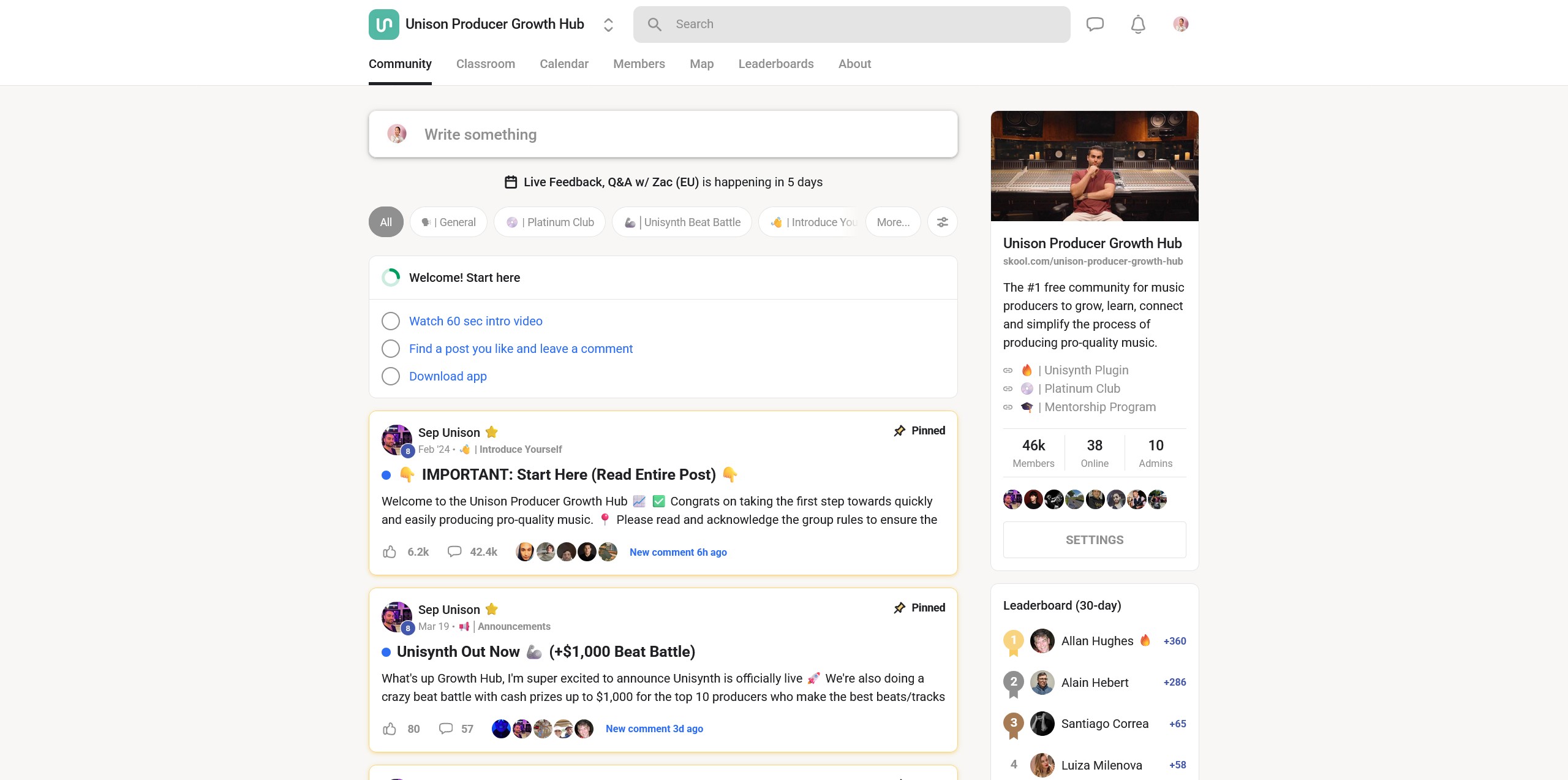
So if your key metric is posts per member or weekly active members, Skool’s UX is usually the more direct path. If your key metric is lead-to-customer conversion across subscriptions and offers, Kajabi’s UX supports that operationally.
Why is Skool's interface considered intuitive?
Skool’s interface is built to keep members in a single loop: see updates, respond, learn, and return. Navigation is intentionally simple, which makes community engagement the easiest action a member can take.
That design supports social learning: people don’t just take a course, they participate in a group outcome with ongoing feedback and peer support.
What makes Kajabi's features comprehensive?
Kajabi is comprehensive because it combines multiple business functions—course hosting, marketing tools, customer segmentation, and analytics—into one platform. This can reduce tool sprawl for teams that would otherwise rely on several apps to run acquisition and retention.
The tradeoff is that comprehensive also means more configuration and more decisions, which can slow down creators who primarily want to run a community-led program.
Community Engagement and Gamification
Skool is built around community-centered learning with interaction as the core product, while Kajabi supports community spaces and live meetups but is primarily oriented toward marketing-led engagement.
Both platforms can host a membership, but they don’t drive engagement the same way. Skool puts community activity at the center and uses mechanics (including gamification) to make participation feel like progress.
Kajabi can still support engagement—especially through emails, webinars, and organized content—but the community layer is not typically the main reason users stay active day-to-day.
What is Skool's approach to community-centered learning?
Skool’s approach is to create an active social learning environment where members learn through discussion, shared real-life experiences, and mutual support. The community isn’t just a comment section—it’s the primary delivery mechanism for transformation.
This approach fits programs where results depend on accountability, peer feedback, and consistent participation (common in coaching-style subscriptions).

How does Kajabi support community features?
Kajabi supports community features through spaces like channels for organizing members and the ability to host live meetups, but it typically excels more at marketing-led engagement. For many businesses, Kajabi’s strongest engagement engine is still email campaigns and event-driven promotions (like webinars) tied to funnels.
If your strategy is content + campaigns, Kajabi’s community can complement that. If your strategy is “community is the product,” Skool is usually more aligned.
Platform Focus: Social Learning vs. Sales Funnels
Skool is community-driven by design, while Kajabi is designed as a marketing machine for selling and scaling courses via websites, email marketing, landing pages, and sales funnels.
When you compare Skool vs Kajabi, platform focus is the deciding factor more often than any single feature. Skool optimizes for retention through engagement; Kajabi optimizes for growth through marketing systems.
This matters because the platform’s default behavior shapes how you build your business: Skool nudges you to run conversations and community rituals, while Kajabi nudges you to build funnels and campaigns.
What is Skool's community-driven approach?
Skool’s community-driven approach prioritizes member interaction and collaboration. The platform is designed to make participation feel natural and frequent, which supports accountability and long-term subscription retention.
How does Kajabi function as a marketing machine?
Kajabi functions as a marketing machine by bundling the tools needed to attract, convert, and retain customers in one platform. It’s built for creators who want to run websites, landing pages, email marketing, and sales funnels without relying heavily on integrations.
Marketing Tools and Third-Party Integrations
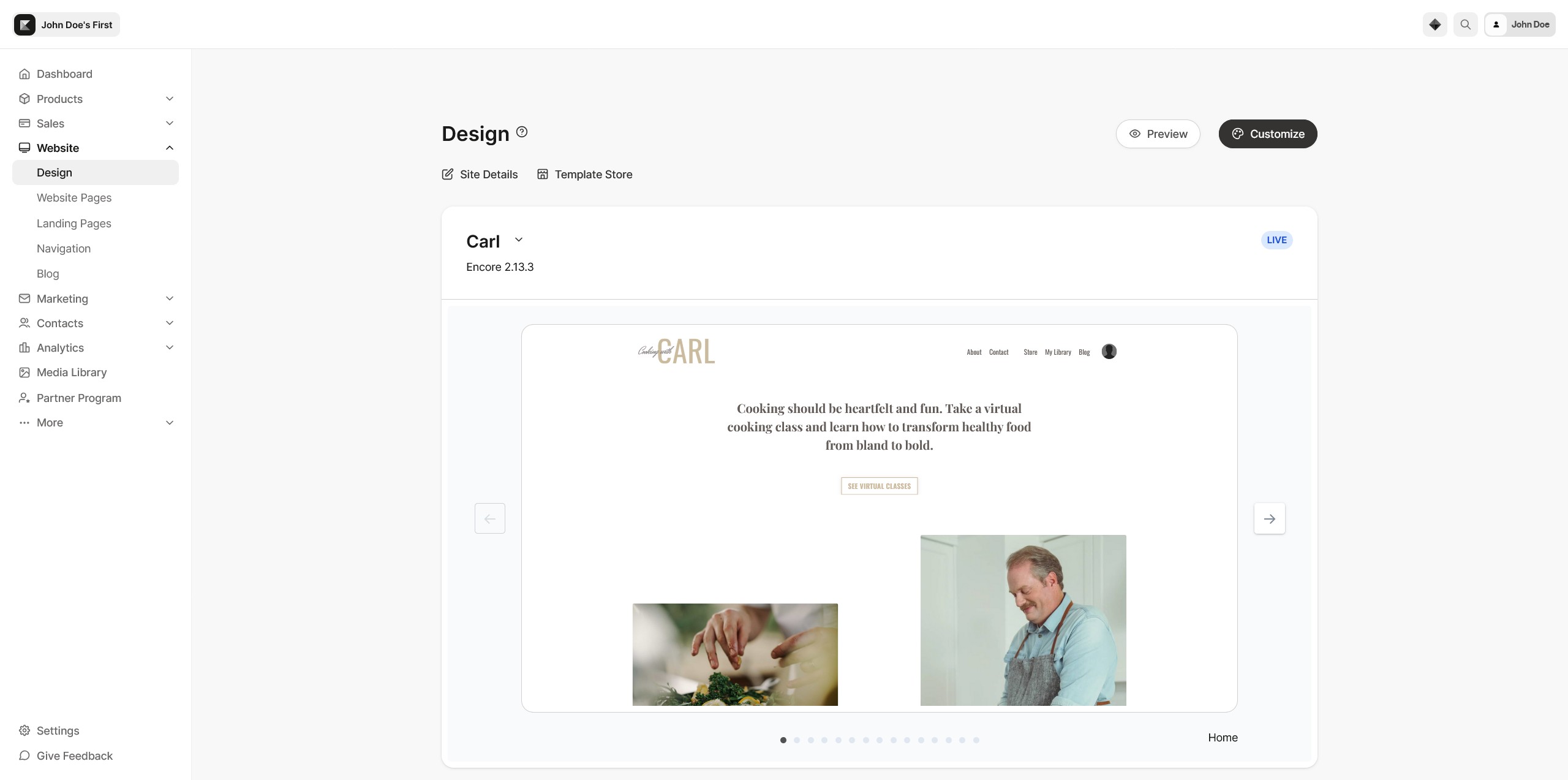
Skool has limited built-in marketing tools and typically relies on integrations for email and landing pages, while Kajabi includes robust built-in email campaigns, funnel tools, and analytics for end-to-end marketing.
This section often determines the real total cost of ownership. With Skool, you may pay less for the platform but add costs for marketing tools you connect. With Kajabi, you often pay more upfront but reduce the need for separate marketing subscriptions.
How does Skool handle integration capabilities?
Skool keeps integrations relatively lightweight to preserve simplicity. For beginners and small businesses, this can be a positive—fewer moving parts and fewer setup decisions—especially when the core goal is community management and subscription retention.
If your strategy depends on sophisticated segmentation and multi-step funnels, expect to pair Skool with external tools to fill those gaps.
What built-in marketing tools does Kajabi offer?
Kajabi’s built-in marketing tools are one of its strongest reasons to buy: you can run email campaigns, build funnels, and review analytics from within the same platform that hosts your course content. This can streamline execution and improve revenue optimization by letting you iterate quickly.
Which Platform is Best for Your Business?
Skool is best for beginners and small businesses prioritizing community engagement and subscriptions, while Kajabi is best for creators and teams scaling a course business that depends on marketing automation and funnels.
One important shared limitation to note: neither platform is built for structured teaching workflows like cohort scheduling, integrated discussions inside lessons, or exercise submissions for feedback—so if your program requires those teaching mechanics, you may need a different LMS regardless of which you pick.
Why is Skool suitable for beginners and small businesses?
Skool is suitable for beginners because the pricing and setup are straightforward, and the user experience is designed to drive interaction without complex configuration. For small businesses, the affordable plans and community-first design make it easier to validate an offer and retain members on subscriptions.
How does Kajabi cater to expanding and scaling businesses?
Kajabi caters to scaling businesses by providing a comprehensive toolset for running an online course business: marketing automation, customer segmentation, analytics, and funnel building. This is a strong match for creators expanding product lines, running launches, or optimizing conversion across multiple offers.
Frequently Asked Questions
What are the cons of Skool?
Skool is intentionally lightweight, so you may outgrow it if you need advanced marketing automation, complex funnels, or deep analytics without relying on external tools. It’s also not ideal for highly structured teaching workflows (like assignments, submissions, and detailed grading) if your program depends on those.
Why is Kajabi so expensive?
Kajabi’s price reflects that it bundles multiple tools—course hosting plus email marketing, landing pages, funnels, and analytics—into one platform. If you’d otherwise pay for several separate apps (and maintain integrations), Kajabi can offset that cost by consolidating your stack.
Can Kajabi replace Skool for community building?
Kajabi can host a community space, but it’s typically best when community supports a marketing-led course business rather than being the core product. If your success depends on daily member interaction and feed-first engagement, Skool is usually the more natural fit.
Does Skool or Kajabi offer better course completion rates?
Completion rates depend more on your program design than the platform, but Skool’s community-first experience can increase accountability through ongoing participation. Kajabi can improve follow-through with automated email reminders and structured onboarding sequences, especially for self-paced courses.
What are the pros and cons of Skool versus Kajabi for coaches?
Coaches who sell transformation through accountability and peer support often prefer Skool because engagement is the product. Coaches who rely on lead magnets, email nurture, and repeatable funnels often prefer Kajabi, but should plan for a steeper setup curve and higher monthly cost at scale.
Free Quiz: What's holding back your business growth?
Take this short quiz and discover your #1 growth blocker - so you know exactly where to focus next: