Kajabi vs Thinkific: Which Online Course Platform is Best for Your Business?
When trying to decide between Kajabi and Thinkific, the biggest deciding factor is going to be your business model. We compared courses and sales funnels in both systems to find the definitive winner for different types of creators.
- 💼 All-in-One vs Modular: Kajabi bundles website, email marketing, funnels, and automations; Thinkific stays course-first and leans on integrations.
- 💰 Pricing plans: Thinkific offers a lower entry pricing, while Kajabi starts higher because more business tools are included.
- 🎥 Delivery details: Both include video hosting (Kajabi integrates with Wistia), custom domains, and affiliate marketing; SCORM needs typically favor Thinkific via apps.
- 📈 Content marketing: Kajabi’s native campaigns and automations support end-to-end content marketing, while Thinkific often pairs with external email tools.
- 🔄 Transaction fees: Thinkific is commonly positioned as no platform transaction fees; Kajabi’s policy can vary by plan, so verify current terms.
What are the key differences between Kajabi and Thinkific?
Kajabi is an all-in-one platform (courses, coaching, marketing, payments, automations, community), while Thinkific is primarily a course delivery platform that leans on integrations for advanced marketing and business workflows.
At a high level, the decision comes down to what you’re building: a full online business engine or a streamlined course product. Kajabi bundles the tools many creators otherwise piece together—email campaigns, landing pages, sales funnels, automation, and community—so you can launch and sell without a large external tool stack.
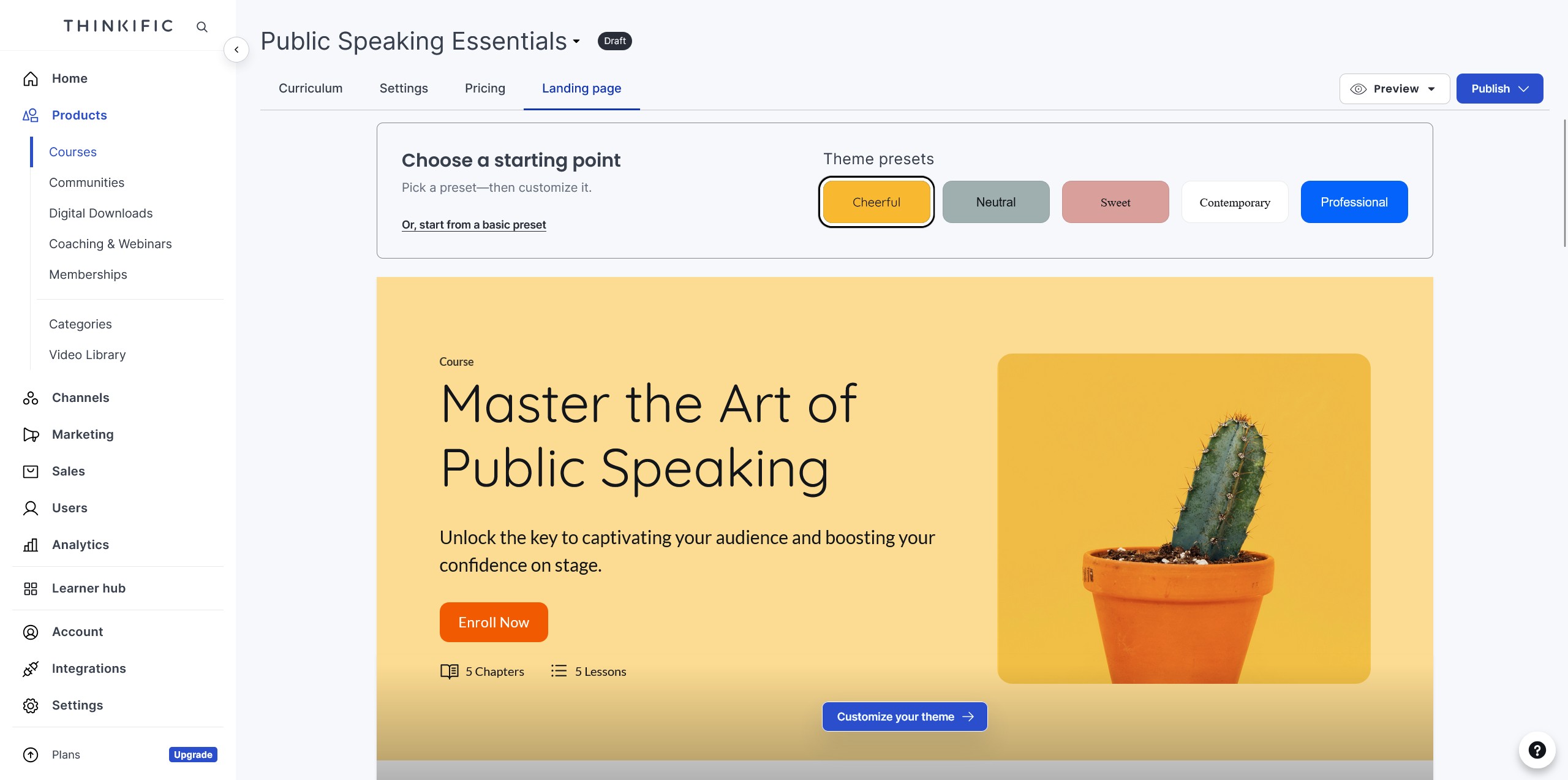
Thinkific puts more emphasis on course creation, management, and learner outcomes. It’s designed around teaching and completion, with features such as progress tracking and learning-focused UX elements; marketing is available, but it’s not as deep or automated as Kajabi’s native system.
How do Kajabi and Thinkific pricing plans compare?
Thinkific generally starts lower ($97/month for the Start plan with monthly billing), while Kajabi typically starts higher ($179/month for its Basic plan if you choose monthly billing) because more business and marketing features are included.
Pricing plans are where the all-in-one vs best-of-breed tradeoff becomes most tangible. With Thinkific, you can often start with minimal spend and upgrade as you need more features. With Kajabi, you’re typically paying more upfront, but you may avoid paying for separate email marketing, funnel building, and automation tools.
Because plan names and inclusions can change, treat these numbers as reference points from commonly published tiers and confirm on each vendor’s pricing page before purchasing. Still, the pattern is consistent: Kajabi’s plans skew higher, Thinkific offers more entry-level accessibility.
| Platform | Typical entry point | What you’re paying for | Best fit |
|---|---|---|---|
| Kajabi | Higher starting price (around $179/month for Basic) | Bundled marketing suite (email + funnels + automations), website, digital products, community | Creators who want fewer integrations and a single all-in-one system |
| Thinkific | Lower starting price (Start plan around $97/month) | Course delivery, site basics, assessments and learning-focused features; marketing often via integrations | Educators/teams who want strong learning delivery and flexible tooling |
Once you’ve mapped the monthly subscription, the next line item to check is transaction fees, because they can change your true effective cost as revenue grows.
What should you know about transaction fees on Kajabi and Thinkific?
Thinkific is commonly positioned as charging no platform transaction fees, while Kajabi’s transaction-fee policy can vary by plan and may apply on some lower tiers—so you should verify the current terms for the specific plan you’re considering.
Transaction fees matter most when your sales volume grows: a small percentage can become a meaningful monthly cost. In many Kajabi vs Thinkific discussions, Thinkific is highlighted for not charging platform transaction fees across plans, while Kajabi is sometimes described as charging fees on lower-tier plans.
However, transaction-fee policies can change, and the supporting source information here does not provide a definitive, current fee schedule for either provider.
Which platform offers better course creation features: Kajabi or Thinkific?
Thinkific typically leads on learning-centric course design and assessments (quizzes/exams/surveys), while Kajabi leads when your course offering includes coaching, live sessions, and automated sales flows built into the same platform.
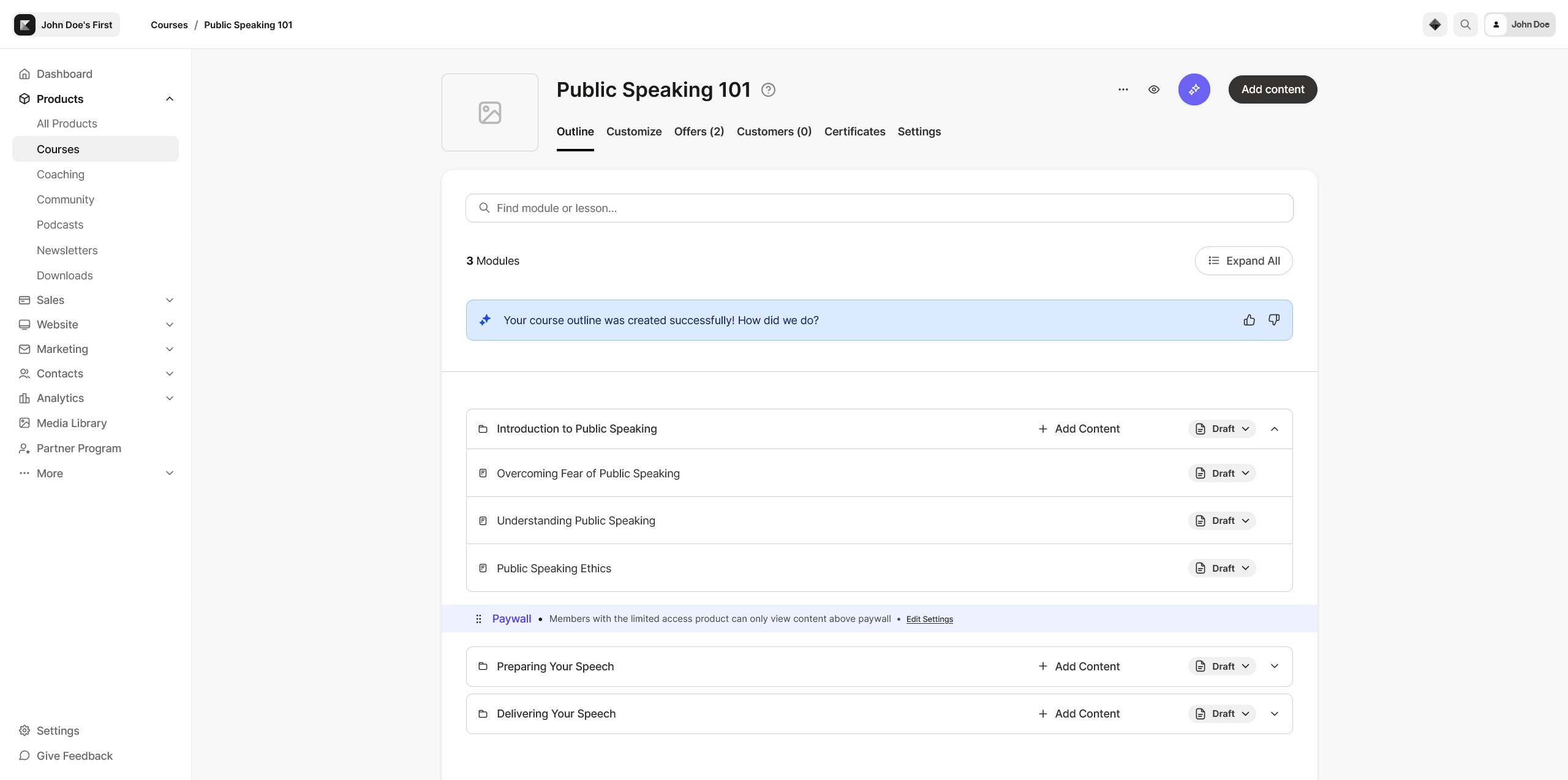
For pure course-building, both are strong options when learning how to create an online course: each offers an intuitive builder, supports rich media lessons, and can drip content. The difference is what each platform optimizes for. Kajabi shines when your course is part of a broader product ecosystem—think memberships, coaching, and upsells connected to automated funnels.
Thinkific tends to be the more teaching-first platform. It’s often favored by educators who need more structured learning tools, stronger assessment options, and mechanisms aimed at improving completion and engagement.
Behind the scenes, both platforms offer unlimited video hosting (Kajabi natively integrates with Wistia), allowing you to upload heavy media files without external hosting costs. However, they differ in advanced technical delivery. If your corporate clients require SCORM compliance to track learning data, Thinkific supports this via third-party apps, whereas Kajabi does not natively support SCORM. Both platforms allow you to connect a custom domain to maintain your brand identity, and both include built-in affiliate marketing centers so you can reward students for referring new buyers.
Course creation doesn’t exist in a vacuum, though. For most creators, the deciding factor comes from how easily you can market and sell the course, especially if content marketing is your main growth channel.
How do the marketing tools of Kajabi and Thinkific differ?
Kajabi has a built-in marketing engine (email campaigns, landing pages, sales funnels, and behavior-based automations tied to revenue), while Thinkific’s marketing features are more basic and often require integrations for comparable funnel and email capabilities.
Marketing is where the two platforms separate most clearly. Kajabi is designed to help you generate demand inside the platform: you can create landing pages, run email marketing campaigns, build automated funnels, and trigger workflows based on subscriber behavior and purchases.
Thinkific can absolutely support marketing, but it typically does so by pairing with external tools (email service providers, funnel builders, CRMs). That approach can be ideal for teams with existing systems, but it adds setup time and can create more moving parts.
| Marketing capability | Kajabi | Thinkific |
|---|---|---|
| Email marketing | Native email suite with templates, segmentation/tagging, and automated sequences | More limited native options; commonly handled via integrations |
| Funnels & automation | Built-in funnel builder and behavior-based automations | No native funnel builder at the same depth; typically requires external tools |
| Landing pages | Integrated landing pages designed to connect directly to offers and emails | Landing/site tools exist, but marketing depth is generally lighter |
If your growth strategy depends on publishing, nurturing leads, and converting with sequences, the content marketing toolset matters as much as the course builder itself.
What content marketing capabilities do Kajabi and Thinkific provide?
Kajabi is typically stronger for content marketing because it combines customizable landing pages, automated email campaigns, and workflows in one system, while Thinkific supports content marketing more lightly and often relies on third-party tools to match Kajabi’s automation depth.
Content marketing is rarely just “posting and hoping”—it’s distribution plus capture plus follow-up. Kajabi supports this end-to-end: publish or promote content, drive traffic to a landing page, collect emails, segment subscribers, and trigger automated sequences based on behavior.
Thinkific can still work well for content marketing, especially if you already use a dedicated email platform or CRM. The key difference is operational: you’ll likely connect multiple tools to achieve the same lifecycle (lead capture → nurture → conversion → onboarding).
How do Kajabi and Thinkific compare for website design and support?
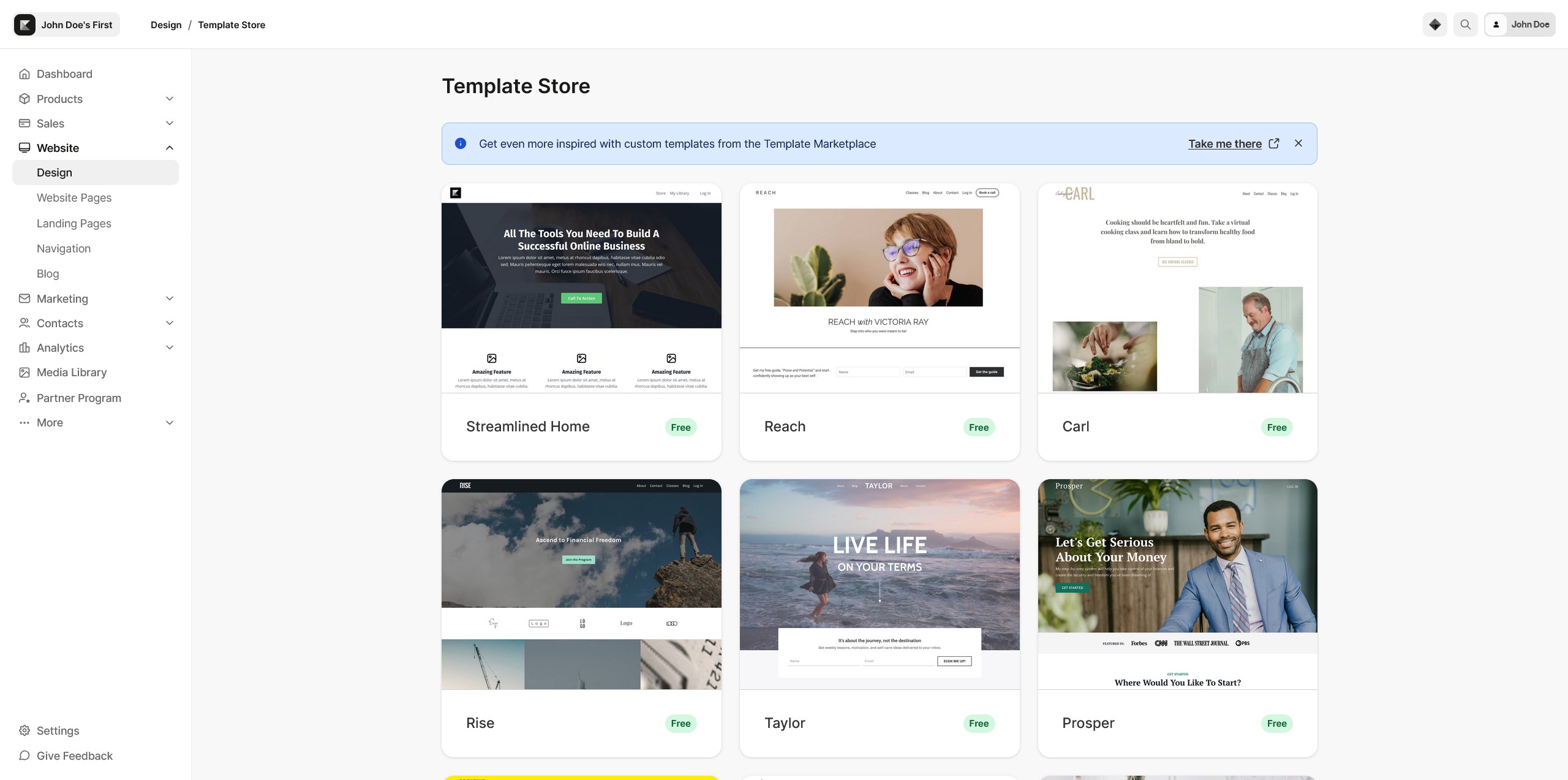
Kajabi offers a more robust, theme-based website builder designed to replace WordPress, while Thinkific’s site builder is simpler and strictly focused on course storefronts.
If you are building your entire brand from scratch, Kajabi provides a comprehensive website builder with customizable themes, a native blogging feature, and dynamic pages. It is built to be your primary domain. Thinkific offers a drag-and-drop site builder that is incredibly easy to use for creating sales pages and course catalogs, but it lacks a native blogging engine. Many Thinkific users choose to build their main site on WordPress or Squarespace and link to Thinkific on a subdomain (e.g., courses.yoursite.com).
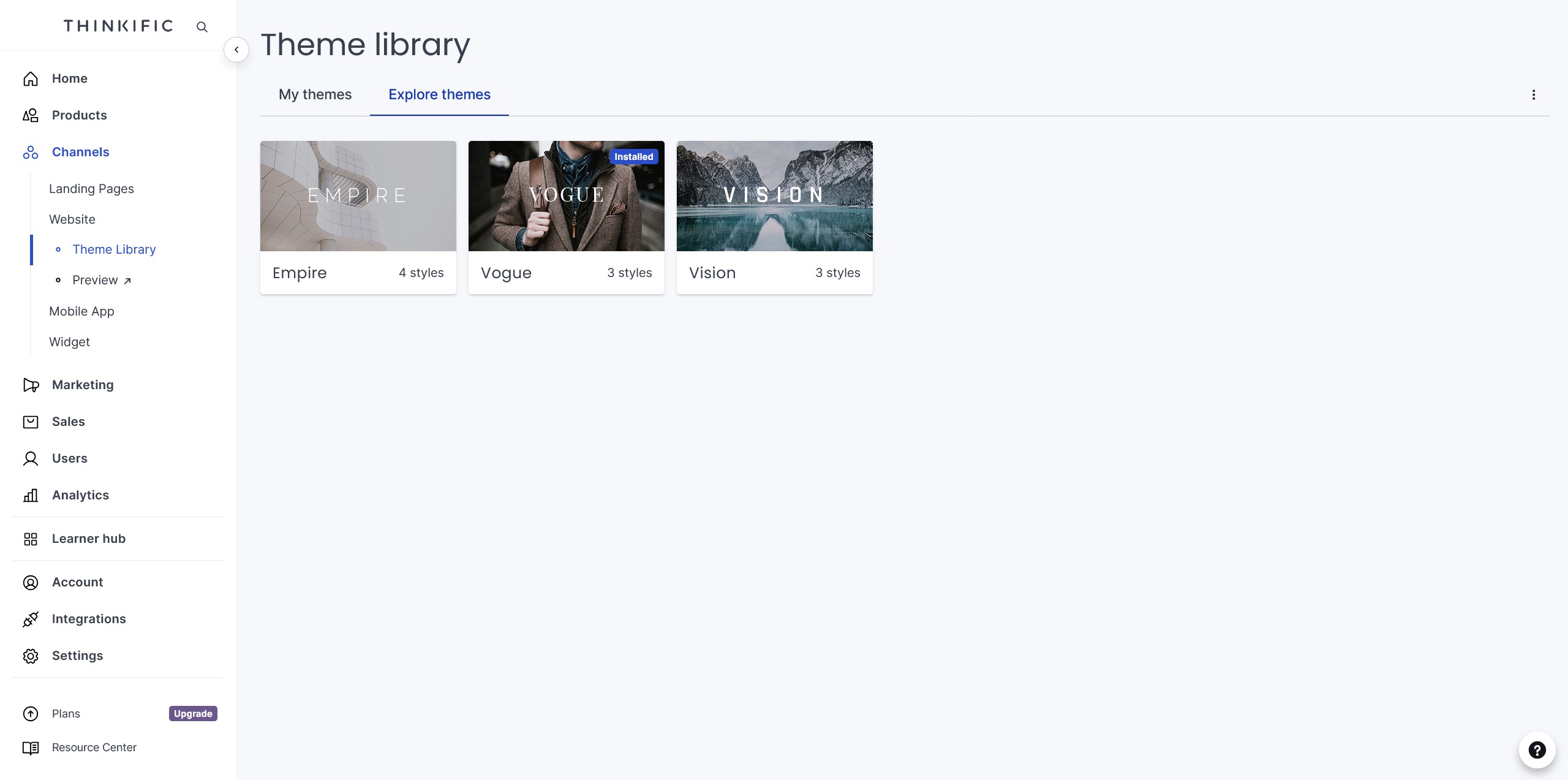
Regarding customer support, both platforms offer comprehensive knowledge bases and email support. However, Kajabi pulls ahead for premium users by offering 24/7 live chat support on its Growth and Pro plans, whereas Thinkific relies primarily on email ticketing and a highly active user community.
What are the pros and cons of Kajabi vs Thinkific for users?
Kajabi’s biggest advantage is its all-in-one business toolkit (marketing, funnels, automation, community) but it costs more; Thinkific’s biggest advantage is affordability and strong course delivery/assessments, but advanced marketing typically requires integrations.
The most accurate Kajabi vs Thinkific decision framework is to choose based on your operating model: do you want the platform to be your business system, or your teaching system? Kajabi tends to suit solo creators and small teams who want fewer external tools and tighter marketing-to-checkout workflows. Thinkific tends to suit educators and growing businesses who want a focused learning platform and flexibility to plug into a broader tech stack.
If you want a final rule of thumb: pick Kajabi when you’re buying marketing + sales + delivery in one subscription, and pick Thinkific when you’re buying best-in-class course delivery and you’re comfortable assembling the rest through integrations and your chosen pricing plans.
Frequently Asked Questions
Does Thinkific or Kajabi offer more integrations?
Thinkific is typically easier to extend with third-party apps and Zapier, which is useful if you already have an email platform, CRM, or analytics stack. Kajabi covers more functions natively, so you may need fewer integrations—but you’ll want to confirm it connects to the specific tools you rely on.
Which is best for building online communities, Kajabi or Thinkific?
Kajabi is usually the stronger pick if you want community features inside the same system as your courses and marketing, with less tool-hopping for members. If you prefer a dedicated community product (or already use one), Thinkific can work well alongside it via integrations.
Is Kajabi worth the higher price compared to Thinkific?
Kajabi can be worth it if its built-in email, funnels, and automations replace multiple paid tools you’d otherwise need to connect to Thinkific. If you already have a marketing stack (or only need straightforward selling), Thinkific often delivers better value at a lower monthly cost.
Which platform should I choose, Kajabi or Thinkific for beginners?
Beginners who want one dashboard for website, emails, and selling often find Kajabi simpler operationally because fewer integrations are required. Beginners focused mainly on teaching and validating a first course may prefer Thinkific’s lower-cost entry and learning-first setup, then add marketing tools as they grow.
Kajabi vs Thinkific vs Teachable: how do I decide?
Start by choosing your operating model: an all-in-one business system (often Kajabi) versus a course-first platform you can pair with other tools (often Thinkific or Teachable). Then compare the exact features you’ll use in the first 90 days—checkout, email, automations, assessments, and integrations—because those drive real cost and complexity.
Free Quiz: What's holding back your business growth?
Take this short quiz and discover your #1 growth blocker - so you know exactly where to focus next: